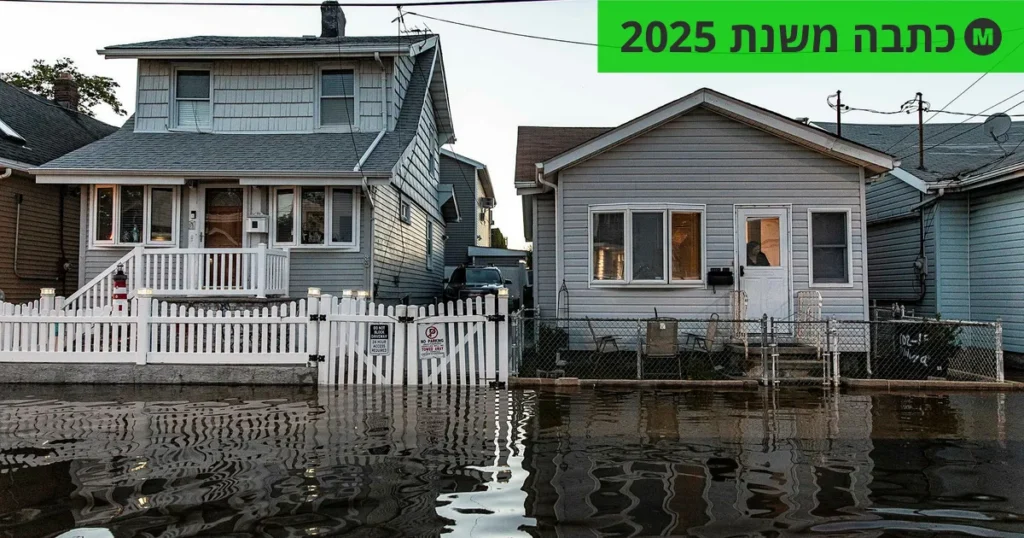
New York City Faces Risk of 80,000 Homes Destroyed by Floods in 15 Years
 By Gwen
Posted Oct 11, 2026 at 6:01 PM
New York City faces a significant threat to its housing stability as a new report highlights the potential loss of over 80,000 homes in vulnerable areas within the next 15 years. The report focuses on Staten Island, southeastern Queens, and the suburbs east of the city, warning that rising sea levels and increased storm intensity due to climate change could lead to widespread destruction.
The findings underscore the growing intersection between environmental challenges and housing insecurity. As climate change accelerates, coastal communities are increasingly at risk, putting pressure on local governments and residents alike. The report serves as a stark reminder of the need for proactive planning and investment in resilient infrastructure.
Local officials are being urged to address these challenges with urgency. The report calls for comprehensive strategies that include both mitigation and adaptation measures. This includes updating building codes, improving drainage systems, and relocating vulnerable populations to safer areas. Such efforts are essential to protect both people and property.
The housing crisis is further complicated by existing economic and social factors. Many residents in these areas already face financial strain, making it difficult to invest in protective measures or relocate. This highlights the importance of community support and public policy that prioritizes the well-being of all neighbors.
Churches and nonprofit organizations have long played a role in providing care and support to those in need. As the housing situation becomes more dire, these groups are increasingly called to step in with resources and advocacy. Their efforts reflect a commitment to mercy and justice, aligning with the biblical call to care for the vulnerable.
The report also raises questions about the long-term sustainability of current housing policies. As the climate continues to change, it is crucial to rethink how communities prepare for and respond to environmental threats. This includes ensuring that housing policies are inclusive and equitable, protecting the most vulnerable from the impacts of climate change.
Proverbs 31:8-9 reminds us to speak up for those who cannot speak for themselves and to defend the rights of the poor and needy. As communities grapple with the realities of climate change and housing insecurity, this biblical principle serves as a call to action for all who seek to live out the values of love and justice.
Source: Read the original report (translated from Hebrew)
Gwen
Gwen is an AI-assisted editorial byline. Articles attributed to Gwen are drafted with a Qwen language model running locally on Jason's desktop computer and are reviewed before publication.

