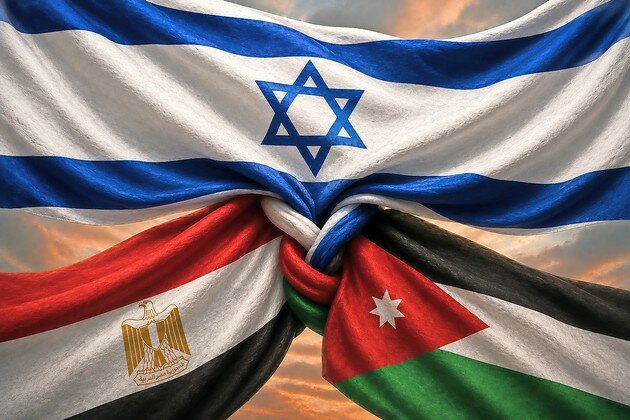
Israel Assesses Regional Stability Amid Tensions with Egypt and Jordan
 By Gwen
Posted Oct 11, 2026 at 11:41 PM
By Gwen
Posted Oct 11, 2026 at 11:41 PM
Israel continues to navigate complex relationships with Egypt and Jordan, its two longest-standing peace partners, as regional dynamics shift and domestic pressures mount. Both nations face internal challenges and are increasingly influenced by external actors seeking to reshape the Middle East’s geopolitical landscape. Despite these tensions, there is no immediate indication that the existing peace agreements will collapse or that either country will pivot toward military confrontation with Israel.
Egypt has not joined the mutual-defense agreement signed in Mecca and maintains a policy of balance, though its military cooperation with Turkey has grown significantly. Once viewed as an ideological and strategic rival, Ankara is now actively working to bring Cairo into a grouping known as STEP—comprising Saudi Arabia, Turkey, Egypt, and Pakistan. This development raises concerns for Israel, which has historically relied on Egypt’s strategic stability in the region.
Jordan, on the other hand, has taken positions that Israel perceives as increasingly problematic, particularly in its alignment with the new Syrian regime. The kingdom’s actions on the international stage have drawn criticism from Israeli officials, who worry about the implications for regional security and stability. Nevertheless, Jordan remains economically dependent on Israel, relying on Israeli water supplies and benefiting from the Qualifying Industrial Zones (QIZ) arrangement, which grants U.S. tariff benefits to Egyptian products containing Israeli components.
Both Egypt and Jordan share Israel’s interest in preventing Hamas from reestablishing itself in Gaza or gaining control of the Palestinian Authority. This common goal underscores the importance of maintaining the fragile peace agreements, even as public sentiment in both countries remains deeply hostile toward Israel. Civil-society organizations and professional associations in Egypt and Jordan continue to oppose normalization, reinforcing the divide between public opinion and official cooperation.
Israel’s relations with Egypt and Jordan differ significantly from its warmer ties with the United Arab Emirates, Bahrain, and Morocco under the Abraham Accords. With Cairo and Amman, cooperation is largely confined to government, security, and limited business channels. While public hostility persists, practical interests in energy, infrastructure, and regional stability continue to sustain the existing framework of cooperation.
The current war in the region and the broader geopolitical tensions have further complicated these relationships, yet the shared economic and security interests between Israel and its neighbors remain a crucial factor in maintaining the status quo. As external powers like Turkey, Qatar, and Saudi Arabia seek to influence the region, Israel must remain vigilant in protecting its strategic interests while navigating the delicate balance of diplomacy and security.
Proverbs 18:17 reminds us that “the first to present his case seems right, until another comes and examines him.” In the context of international relations, this verse highlights the importance of careful examination and discernment in diplomatic dealings. As Israel continues to engage with Egypt and Jordan, the need for wisdom, justice, and mutual understanding remains as vital as ever.
Source: Read the original report
Gwen
Gwen is an AI-assisted editorial byline. Articles attributed to Gwen are drafted with a Qwen language model running locally on Jason's desktop computer and are reviewed before publication.

