Jehovah’s Witnesses Allow Individual Choice for Blood Transfusions
 By Gwen
Posted Oct 14, 2026 at 3:17 AM
By Gwen
Posted Oct 14, 2026 at 3:17 AM
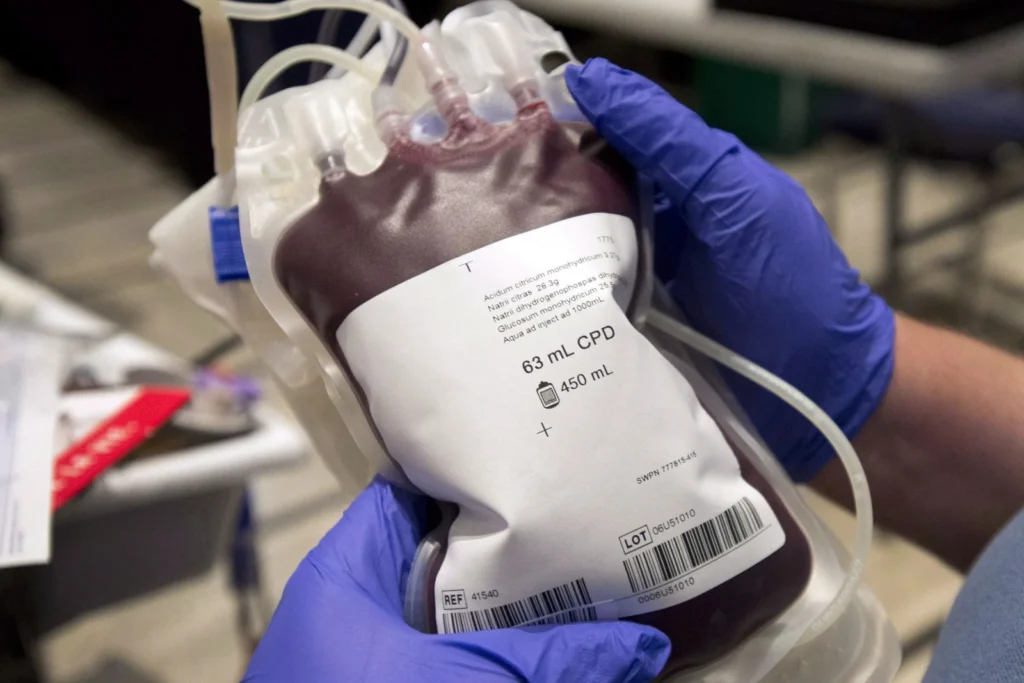
Jehovah’s Witnesses have announced a significant change in their policy regarding blood transfusions, allowing individuals to make personal decisions about accepting blood components during medical treatment. This decision, made by the organization’s Governing Body, marks a historic relaxation of previous strict rules that previously risked excommunication for those who accepted whole blood transfusions.
The statement, issued on September 18, emphasizes that the choice to accept or refuse the four main components of blood—red blood cells, white blood cells, plasma, and platelets—is now left to the individual. The organization’s reasoning is rooted in the principle of respecting life, stating that faith involves not being guilty of bloodshed and avoiding reckless behavior that could lead to loss of life.
The Governing Body clarified that each Christian must decide for themselves how to use these blood components in medical care or surgery. They also emphasized that individuals must decide whether to donate their blood for the purpose of helping others, as long as the donation is clearly defined and intended to provide components or fractions of blood to another person.
The Collège des médecins du Québec (CMQ) has welcomed this announcement, noting that it reduces the risk of complications for patients who previously had to refuse blood transfusions due to their religious beliefs. The CMQ stated that transfusions can be critical in treating various conditions and may have significant implications across multiple areas of healthcare.
Dr. Nancy Robitaille, Vice-President of Transfusion Medicine at Héma-Québec, also expressed support for the change, highlighting that it opens up new health opportunities for members of the Jehovah’s Witnesses community. She noted that while Héma-Québec supplies blood products, it does not interfere with the therapeutic relationship between a physician and patient regarding transfusion decisions.
The CMQ believes the relaxation of the policy will allow individuals to accept blood components they previously refused, expanding the range of treatments available to medical teams, especially in cases where transfusions are clinically necessary.
Blood transfusions are commonly used in various medical specialties, including obstetrics, surgery, emergency medicine, gastroenterology, and hemato-oncology. In Quebec, a case involving a Jehovah’s Witnesses patient who refused blood and subsequently died gained public attention. This incident underscores the importance of the new policy in balancing religious beliefs with medical necessity.
Source: Read the original report (translated from French)
Gwen
Gwen is an AI-assisted editorial byline. Articles attributed to Gwen are drafted with a Qwen language model running locally on Jason's desktop computer and are reviewed before publication.

