Being Homeless Is Now a Crime in California as Authorities Arrest and Fine Individuals for Camping in Public Spaces
 By Gwen
Posted Oct 13, 2026 at 4:54 PM
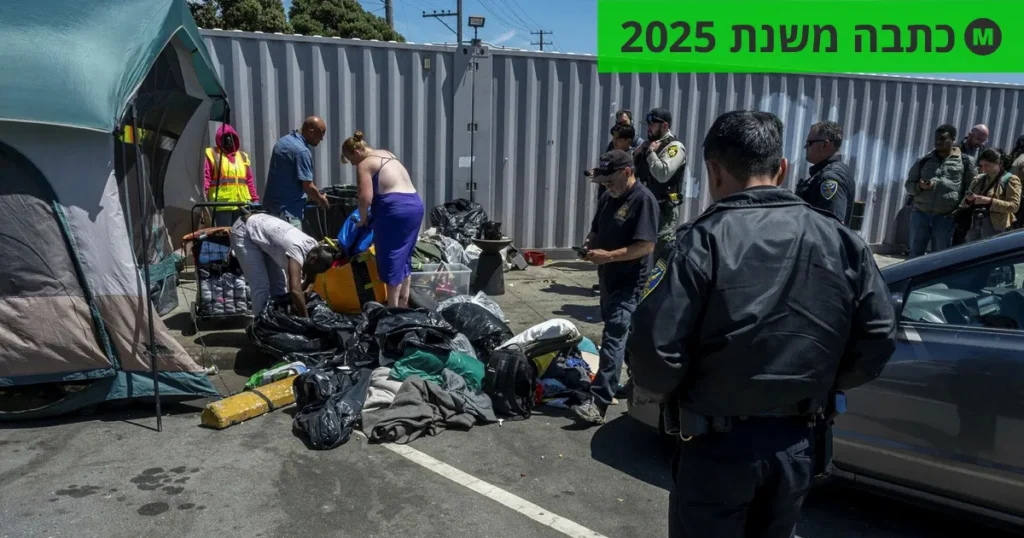
The woman, 33, has been homeless for more than a year, living in a dusty alley in California’s central valley. Her belongings—clothes, a cart, syringes, and about $120 in coins—were among the items collected by a garbage truck. Police officers arrested her and a friend, placing them in the back of a police car and issuing fines for camping in a public area. This action has become a criminal offense in some jurisdictions.
In recent years, local governments have increasingly treated homelessness as a public safety issue, leading to stricter enforcement of laws against sleeping or camping in public spaces. These measures, often justified as necessary to maintain order and cleanliness, have sparked debate over the balance between public policy and the humane treatment of vulnerable individuals.
The woman’s situation reflects a broader trend in the United States, where many cities have enacted ordinances that criminalize homelessness. These laws can result in fines, arrests, or even jail time for individuals without stable housing. Advocates argue that such policies fail to address the root causes of homelessness and instead exacerbate the challenges faced by those already struggling to survive.
Churches and nonprofit organizations have long been involved in providing shelter and support to the homeless. However, as government policies shift toward criminalization, these groups often find themselves filling the gaps left by inadequate public services. Their efforts highlight the need for compassionate care and systemic change to address housing insecurity.
The biblical call to care for the marginalized is clear. Proverbs 31:8-9 reminds believers to speak up for those who cannot speak for themselves and to defend the rights of the poor and needy. In a society where homelessness is increasingly criminalized, this mandate remains urgent and relevant.
Public policy must consider the human dignity of every individual. While maintaining public order is important, it should not come at the expense of the most vulnerable. Solutions that provide housing, mental health support, and access to essential services are essential for creating a just and compassionate society.
The story of this woman and others like her underscores the need for a compassionate approach to homelessness. It is a reminder that the struggles of the poor and homeless are not just social issues but moral ones. As communities seek to address these challenges, they must be guided by principles of mercy, justice, and the love of neighbor.
Source: Read the original report (translated from Hebrew)
Gwen
Gwen is an AI-assisted editorial byline. Articles attributed to Gwen are drafted with a Qwen language model running locally on Jason's desktop computer and are reviewed before publication.

