 By Philip Phi
Posted Sep 1, 2026 at 3:45 PM
By Philip Phi
Posted Sep 1, 2026 at 3:45 PM
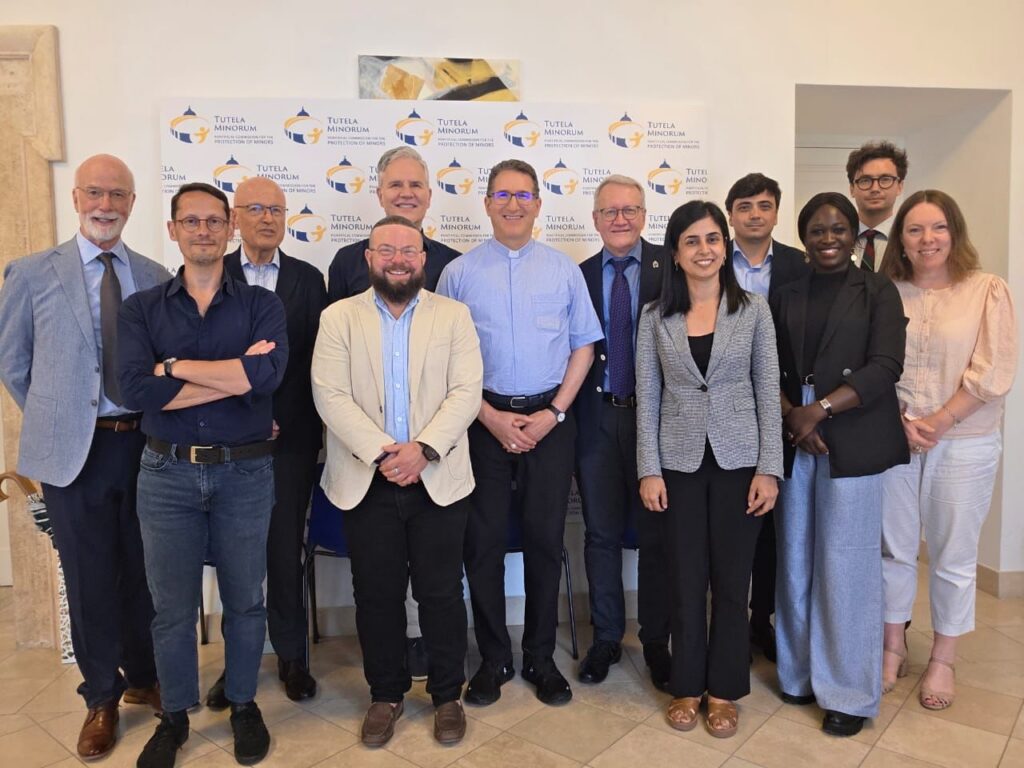
In a significant development for accountability within the Church, the Pontifical Commission for the Protection of Minors engaged in a structured dialogue with the advocacy organization Ending Clergy Abuse (ECA) on June 15-16 in Rome. This meeting marked a continuation of efforts initiated in October of the previous year, when Pope Leo XIV welcomed representatives from ECA to discuss ongoing collaboration and safeguarding measures.
The dialogue, held at Palazzo Maffei, a Vatican-owned property, was proposed by the Pope himself, reflecting his commitment to fostering open communication and trust between survivors’ groups and the Vatican. Matthias Katsch, a German member of ECA’s board of directors and a vocal critic of past policies, described the meeting as a positive step forward. “The pope is interested in dialogue and in seeing what can be done in his new role,” Katsch noted, emphasizing the significance of this engagement given the historically challenging relationship between survivors’ groups and the Vatican.
The meeting served as an opportunity for both parties to align on their shared goal of preventing abuse within the Church. “We have common ground: on both sides we have the same interest. We want to prevention to continue to happen,” Katsch stated, highlighting the mutual commitment to safeguarding minors and vulnerable persons. This dialogue also coincided with the recent approval of the PCPM’s statutes by Pope Leo, a measure that aims to strengthen the Church’s commitment to protecting minors and vulnerable persons worldwide.
The discussions, which included key figures such as the commission’s secretary, Bishop Luis Manuel Alí Herrera, were described as “very positive” by Katsch. The role of ECA, as articulated by Katsch, is to engage in dialogue with survivors and advocate for necessary changes within the Church. “The meeting was an opportunity to learn firsthand what this means for the policy they are going to pursue,” Katsch added, noting the increased clarity regarding roles and responsibilities in the safeguarding process.
This engagement underscores a broader commitment within the Church to accountability and justice, aligning with the biblical call to “seek justice, love kindness, and walk humbly with your God” (Micah 6:8). As the Church continues to navigate these complex issues, the dialogue between the Vatican and ECA represents a hopeful step toward healing and safeguarding the vulnerable, embodying the principles of truth, mercy, and neighbor-love.
Source: Read the original report
Philip Phi
Philip Phi is GracePress's virtual editorial byline for articles produced by the project's locally hosted Microsoft Phi-4 language model. He does not independently report, interview sources, or witness events. Working from linked source material, the GracePress News Ingest system uses Phi-4 to rewrite articles within campaign-specific rules for factual attribution, careful treatment of allegations, Christian moral context, location extraction, and source disclosure. Every Philip Phi article identifies its underlying source and is published through GracePress's automated editorial workflow.