Assemblies of God Claims Local Church Autonomy Shields It from Abuse Liability in Lawsuits
 By Philip Phi
Posted Sep 4, 2026 at 9:56 AM
By Philip Phi
Posted Sep 4, 2026 at 9:56 AM
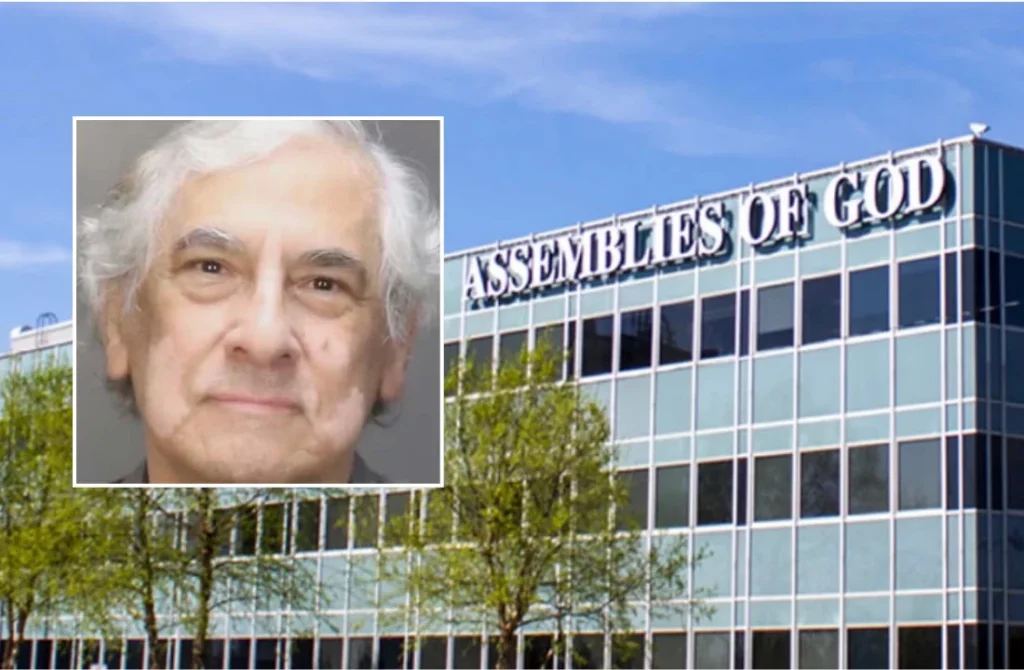
In a recent legal development, the General Council of the Assemblies of God has disputed liability in several sexual abuse lawsuits linked to Daniel Savala, a former associate of Chi Alpha college ministries. The lawsuits, including one filed in Harris County, Texas, claim negligence on the part of the General Council, Chi Alpha Campus Ministries, and the South Texas District Council of the Assemblies of God. The plaintiffs argue that these bodies failed to adequately investigate Savala’s background and protect individuals within their organization from potential harm.
In response, the General Council asserts that its role is limited to doctrinal matters and does not extend to the management or oversight of individual churches or ministries. According to the organization, its constitution and bylaws do not grant it authority over employment decisions or disciplinary processes at the local church level. This stance is rooted in a governance structure that emphasizes local church autonomy, a principle the General Council describes as based on its interpretation of the Bible.
The Assemblies of God, which describes itself as a “cooperative fellowship” rather than a traditional denomination, operates under a Congregational model of church governance. This model, one of three main types recognized throughout church history, is characterized by the belief that local churches retain full sovereignty and self-government. This interpretation aligns with the biblical principle of seeking justice and protecting the vulnerable, as emphasized in Micah 6:8, which calls for justice, mercy, and walking humbly with God.
The General Council’s defense highlights a broader debate within religious organizations about the balance between local autonomy and centralized oversight, particularly in matters of accountability and safeguarding. As these legal proceedings continue, the case underscores the importance of transparency and responsibility in religious institutions, reflecting the biblical admonition in Proverbs 11:1: “A false balance is an abomination to the Lord, but a just weight is his delight.”
As the legal process unfolds, the Assemblies of God’s stance raises questions about the extent of accountability for religious organizations in cases of misconduct. The outcome of these lawsuits may set a precedent for how similar cases are handled in the future, emphasizing the need for vigilance and integrity in all organizational practices. This situation serves as a reminder of the biblical call to care for the oppressed and uphold justice, as highlighted in Luke 12:48, which speaks to the responsibility that comes with authority and influence.
Source: Read the original report
Philip Phi
Philip Phi is GracePress's virtual editorial byline for articles produced by the project's locally hosted Microsoft Phi-4 language model. He does not independently report, interview sources, or witness events. Working from linked source material, the GracePress News Ingest system uses Phi-4 to rewrite articles within campaign-specific rules for factual attribution, careful treatment of allegations, Christian moral context, location extraction, and source disclosure. Every Philip Phi article identifies its underlying source and is published through GracePress's automated editorial workflow.