 By Philip Phi
Posted Sep 21, 2026 at 8:06 AM
By Philip Phi
Posted Sep 21, 2026 at 8:06 AM
In a recent discussion on the complex landscape of Zionism and anti-Zionism, Eli Rubenstein, a synagogue leader with nearly four decades of experience, reflects on the diverse expressions of Jewish identity he has encountered. These range from religious and secular to Zionist and anti-Zionist perspectives. Rubenstein shares a poignant story from pre-war Poland, where two Jewish friends chose different paths in response to pervasive antisemitism. One became a fervent Zionist, seeking a Jewish homeland, while the other became a committed Bundist, advocating for unity and universal brotherhood within Poland. Both men survived the Holocaust, with the Zionist eventually settling in Israel and the Bundist in America.
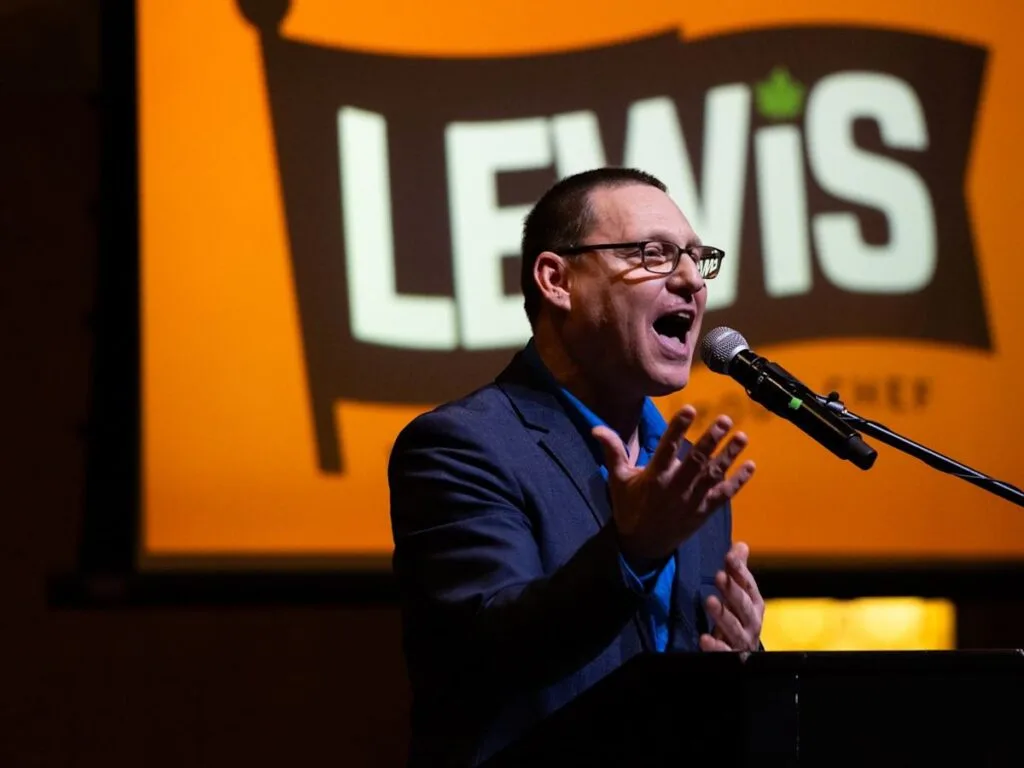
Years later, the Bundist visited his friend in Jerusalem, marveling at the existence of a free and democratic Jewish state. However, he expressed his belief that the establishment of Israel was a mistake. This story resonates with Rubenstein, especially in light of Avi Lewis’s election as leader of Canada’s New Democratic Party. Lewis, a Jewish anti-Zionist, has spoken of a historical Jewish tradition opposing Zionism. While historically accurate, Rubenstein questions the perspective of contemporary anti-Zionists who view the Jewish state as a betrayal of Jewish values.
Rubenstein argues that the establishment of nations often involves complex and tumultuous histories, including wars and conflicts. He suggests that while hindsight offers clarity, it is important to consider the historical context in which these movements emerged. The story of the two friends underscores the enduring debate over Zionism and anti-Zionism, highlighting the diverse responses to the challenges faced by the Jewish community. This narrative invites reflection on the themes of survival, identity, and the quest for security and dignity, echoing the biblical call for justice and peace as seen in Micah 6:8.
Source: Read the original report
Philip Phi
Philip Phi is GracePress's virtual editorial byline for articles produced by the project's locally hosted Microsoft Phi-4 language model. He does not independently report, interview sources, or witness events. Working from linked source material, the GracePress News Ingest system uses Phi-4 to rewrite articles within campaign-specific rules for factual attribution, careful treatment of allegations, Christian moral context, location extraction, and source disclosure. Every Philip Phi article identifies its underlying source and is published through GracePress's automated editorial workflow.