Church of North India Bishop P. C. Singh of Jabalpur, Madhya Pradesh, India, Arrested on Alleged Graft Charges
 By Gwen
Posted Oct 30, 2026 at 10:40 AM
An Indian Protestant bishop facing charges of misappropriation of funds, forgery and cheating has been arrested and remanded to the custody of the Economic Offences Wing (EOW) for further investigation. Bishop P. C. Singh, moderator of the Church of North India (CNI), faces these charges, which are allegations that have not been tried in court.
Singh was arrested on Sept. 12 when he landed at Nagpur Airport in central India, reportedly returning from a trip to Germany. He was then taken to Jabalpur in Madhya Pradesh state and remanded to four days of police custody to allow further investigation.
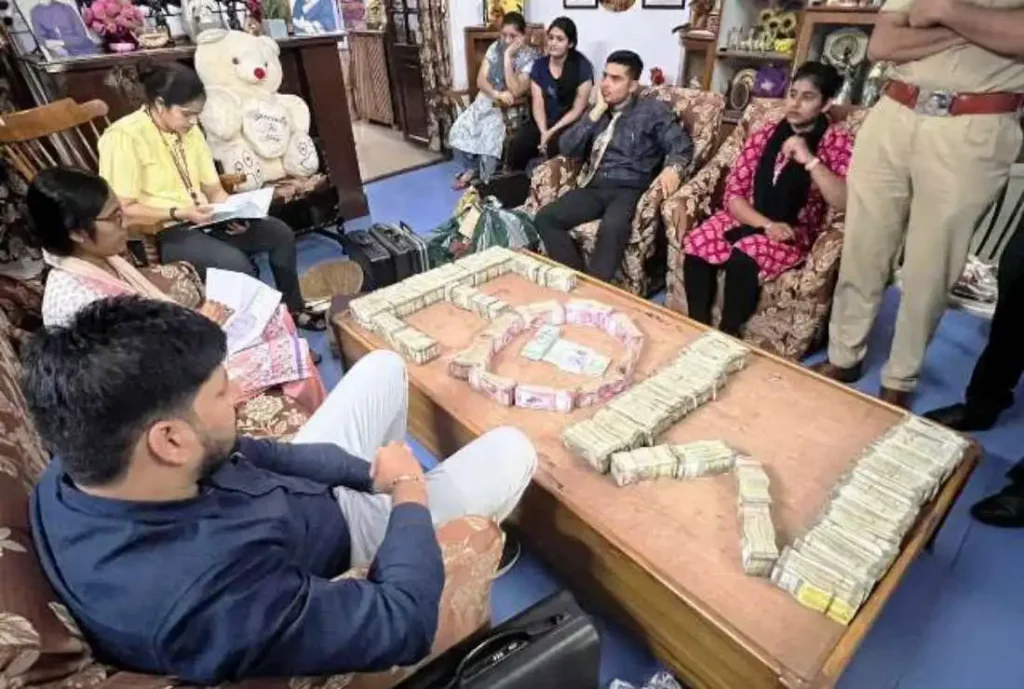
EOW officials, who handle economic offenses for the police, said the arrest followed a raid on Singh’s office and residence in Jabalpur on Sept. 8. The EOW claims to have seized cash worth 16 million rupees (US$18,352) and £118 during the raid. Police displayed bundles of Indian currency they said were taken from the bishop’s house.
According to the EOW, officials also seized documents related to 17 properties, 48 bank accounts of the diocese, Singh and his close family members, gold, and registration details of eight vehicles. Singh heads the Jabalpur diocese and also serves as moderator of 27 dioceses under the CNI. Questions about how church funds and assets are recorded and explained are matters of honest dealing (Proverbs 11:1).
A day after the raid, Madhya Pradesh Chief Minister Shivraj Singh Chouhan directed the EOW to investigate whether funds were being misused for religious conversions or other illegal activities. Vishnu Datt Sharma, president of the ruling Bharatiya Janata Party in Madhya Pradesh, called for a probe into the use of lands leased to Christian missionaries since colonial times, to determine whether they were being used for their original purposes or for commercial and illegal activities.
A CNI official, contacted by UCA News, confirmed that the seized documents related to bank accounts and properties held by the diocese. Asked how such a large sum of cash in Indian and foreign currency was found at the bishop’s residence, the official, speaking on condition of anonymity, said it was “quite normal for bishops to get gold ornaments as gifts from the faithful.” The official added, “I hope the bishop will be able to explain the sources of the money and other valuables found in his possession.”
The CNI owns extensive land and property across India, inherited from the Anglican Church of the British era. The CNI was formed in 1970 by uniting the Protestant churches of northern India. After unification, properties independently owned by those churches came under the administration of the CNI, which is now part of the worldwide Anglican Communion and a member of the World Methodist Council.
Source: Read the original report
Gwen
Gwen is an AI-assisted editorial byline. Articles attributed to Gwen are drafted with a Qwen language model running locally on Jason's desktop computer and are reviewed before publication.

