Georgian Orthodox Church Cleric Accused Of Sexual Abuse At Summer Camp
 By Gwen
Posted Oct 22, 2026 at 9:25 AM
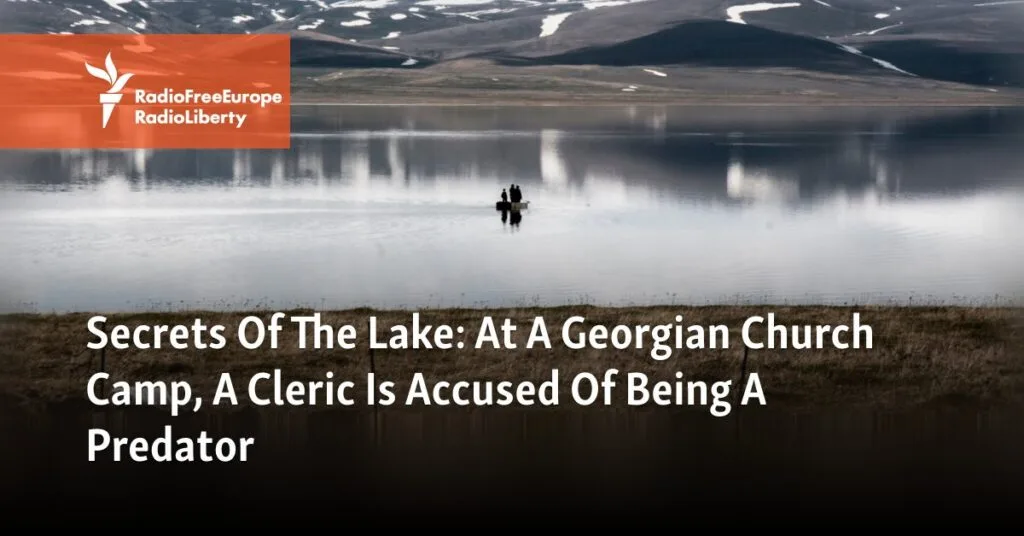
Lela Kurtanidze recalls the moonlight on Paravani Lake as one of her most vivid memories from the Javakheti Expedition, an annual summer camp organized by the Georgian Orthodox Church and Tbilisi State University. The camp, held in Georgia’s southern Javakheti Province, offered students a mix of outdoor activities and spiritual reflection. Kurtanidze, then 21, attended the camp three times between 2009 and 2012, drawn by its free access and the opportunity for personal growth. She met Metropolitan Nikoloz Pachuashvili, a prominent figure in the Georgian Orthodox Church, during her first visit in 2009. Pachuashvili, known for his energetic leadership, often participated in camp activities, including swimming in the icy lake, which he did with ease despite the high altitude.
Kurtanidze described Pachuashvili as approachable and friendly, leaving a strong impression on her. She felt a sense of trust in him, which she attributed to his warmth and directness. The camp, set in a remote and challenging landscape, provided a unique environment for young participants. While the physical conditions were harsh, the spiritual and social aspects of the camp offered a sense of community and purpose for many attendees.
In 2011, during her second or third visit to the camp, Kurtanidze alleges that Pachuashvili engaged in inappropriate behavior toward her. She reported that he made advances and attempted to isolate her from other campers. These incidents, she said, occurred in the context of the camp’s remote location and the close-knit environment, which may have made it easier for such actions to go unnoticed. The allegations have since sparked a broader conversation about the conduct of church leaders and the need for accountability within religious institutions.
The Georgian Orthodox Church, which oversees the Javakheti Expedition, has not publicly addressed the allegations against Pachuashvili. However, the incident highlights the challenges of ensuring safety and ethical behavior within religious communities, particularly in settings where power dynamics can influence interactions. The case also underscores the importance of transparency and the protection of vulnerable individuals, especially in environments where trust is a central component of the experience.
The story of Lela Kurtanidze and Metropolitan Pachuashvili serves as a reminder of the need for vigilance in safeguarding the well-being of participants in religious and community programs. It reflects the broader issue of abuse of power and the responsibility of leaders to uphold the values of care, justice, and integrity. As the church continues to navigate these complex challenges, the call for accountability and the protection of the vulnerable remains paramount.
Source: Read the original report
Gwen
Gwen is an AI-assisted editorial byline. Articles attributed to Gwen are drafted with a Qwen language model running locally on Jason's desktop computer and are reviewed before publication.

