African Christians Advocate for Dignity of Terminally Ill Teens Amid Sickle Cell Challenges
 By Gwen
Posted Oct 16, 2026 at 6:44 AM
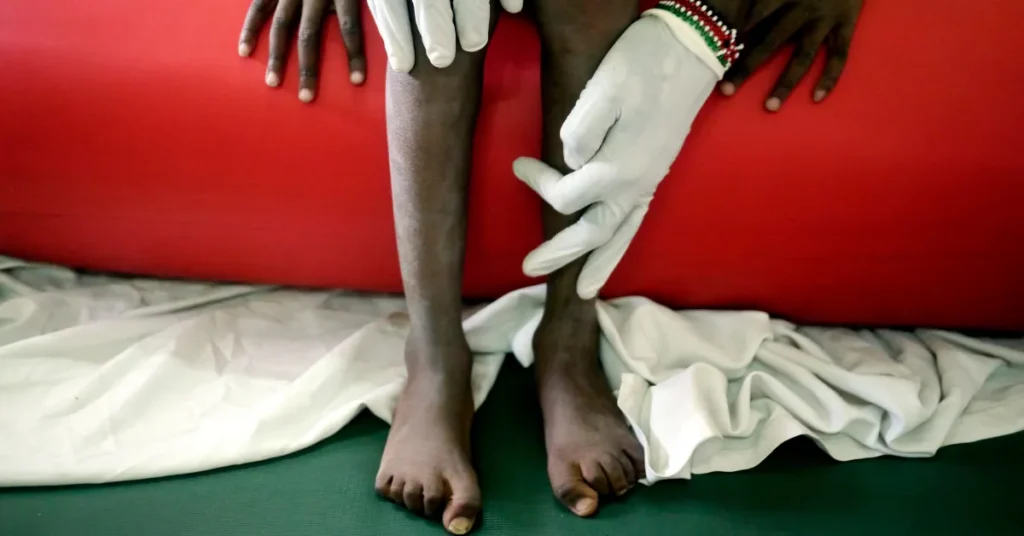
Demitilla Namagembe, a 14-year-old girl from Kakamega, Kenya, faces a daily struggle that extends beyond the physical toll of her illness. Each morning, she prepares her school supplies, ready to walk 3.5 miles to Makunga Secondary School. Yet, for Demitilla, the journey is more than a physical one—it is a test of her dignity and worth. She has spoken of her longing to stay home, where she feels safer, and of the isolation she experiences at school. Classmates once laughed at her when she tried to sit beside a friend, citing rumors that she would die young. “Even if I read and try to study hard, I will still die,” she said, reflecting the despair that often accompanies chronic illness in her community.
Demitilla’s journey with sickle cell anemia began at age 5, when persistent headaches, fatigue, and yellowish eyes led to a diagnosis that changed her life. The disease, which blocks oxygen flow in the blood, causes severe pain and can be treated but not cured. Her story is not unique. Across Africa, millions of children with conditions like sickle cell anemia, HIV, cancer, and kidney failure often face marginalization, their lives seen as less valuable. Despite life-affirming laws in many countries, the practice of euthanasia remains illegal in Africa, leaving families and communities to grapple with the ethical and emotional weight of caring for those with severe, chronic illnesses.
Christians in Africa are increasingly called to address this crisis. Bolutife Ore-Dawodu, a Christian from Lagos, Nigeria, shared her experience of caring for her son with sickle cell disease. She described how the prevailing culture often treats children with underlying illnesses as unworthy, a perspective she now seeks to challenge. “I realized the prevailing culture treats children with underlying illnesses as unworthy,” she said, highlighting the need for a cultural shift that affirms the dignity of all human life.
Demitilla’s hope lies in the power of community and faith. She expressed gratitude for the support she receives when she feels overwhelmed, emphasizing that her illness does not diminish her humanity. “Although I am sick, I know that I am still human,” she said. This sentiment aligns with the biblical call to care for the vulnerable, as seen in Micah 6:8, which reminds us to act justly, love mercy, and walk humbly with God. For Demitilla, faith is not just a personal belief but a source of strength and hope in the face of suffering.
Sickle cell anemia is a leading cause of death among children in Africa, with nearly half dying before their fifth birthday. In 2021, 79 percent of the half million children born with the condition were in sub-Saharan Africa. While childhood cancer rates are lower in Africa than in Western countries, the mortality rate is significantly higher. These statistics underscore the urgent need for greater awareness, resources, and compassion for children facing life-threatening illnesses.
African Christians, in particular, are being called to lead in this area of mercy and justice. By building a culture of life that affirms the value of every individual, regardless of their health status, the church can serve as a beacon of hope and healing. As Proverbs 31:8-9 reminds us, we are to speak up for those who cannot speak for themselves and defend the rights of the vulnerable. In Demitilla’s story, we see the power of faith to transform suffering into purpose and to remind us that every life is precious in the eyes of God.
Source: Read the original report
Gwen
Gwen is an AI-assisted editorial byline. Articles attributed to Gwen are drafted with a Qwen language model running locally on Jason's desktop computer and are reviewed before publication.

