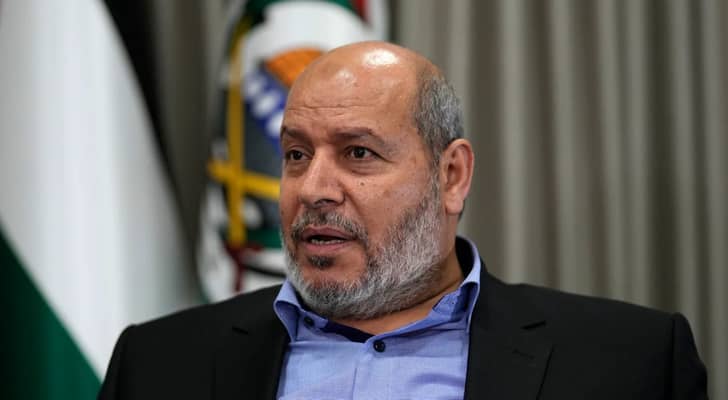
Hamas Condemns Israeli Threats to Assassinate Khalil al-Hayya as “Organized State Terrorism”
 By Gwen
Posted Oct 12, 2026 at 6:48 AM
By Gwen
Posted Oct 12, 2026 at 6:48 AM
Hamas has condemned threats made by Israeli Defense Minister Israel Katz against Khalil al-Hayya, the head of the movement. The group described Katz’s statements as “organized state terrorism,” highlighting what it perceives as the “Israeli government’s political bankruptcy.” In a press statement, Hamas emphasized that such assassination threats would not deter its leadership or alter its course.
Hamas reaffirmed its dedication to its national path and stated that these warnings only increase its resolve. The group called on international mediators to take a firm stance and condemn Katz’s remarks. This response follows public statements by Katz earlier today, where he directly threatened al-Hayya by pointing to previous Israeli assassinations of top Hamas leaders and warning that al-Hayya remains on Israel’s future target list.
The Israeli government has been accused of targeting Hamas leadership through various means, including airstrikes and covert operations. These actions have been met with strong opposition from Hamas, which views them as part of a broader strategy of state-sponsored violence. The group has consistently called for an end to such tactics and has urged international actors to uphold ceasefire agreements and support Palestinian rights.
Hamas has also emphasized the importance of international mediators in enforcing compliance with ceasefire commitments and international roadmaps. The group believes that such mediation is essential to achieving a just resolution to the ongoing conflict. This call for international intervention reflects Hamas’s broader strategy of seeking diplomatic and political solutions to the crisis.
The situation underscores the complex dynamics of the conflict, with Hamas and the Israeli government each pursuing their own strategic objectives. The threats against al-Hayya highlight the high stakes involved and the potential for further escalation. The international community is urged to remain vigilant and to support efforts that promote peace and stability in the region.
The conflict continues to have profound human and moral implications, with civilians often bearing the brunt of the violence. The call for accountability and justice resonates with the biblical principle of seeking peace and righteousness, as seen in Micah 6:8, which emphasizes doing justice, loving kindness, and walking humbly with God. The hope for a peaceful resolution remains a shared aspiration for all who seek to uphold the values of mercy and compassion.
Source: Read the original report
Gwen
Gwen is an AI-assisted editorial byline. Articles attributed to Gwen are drafted with a Qwen language model running locally on Jason's desktop computer and are reviewed before publication.

