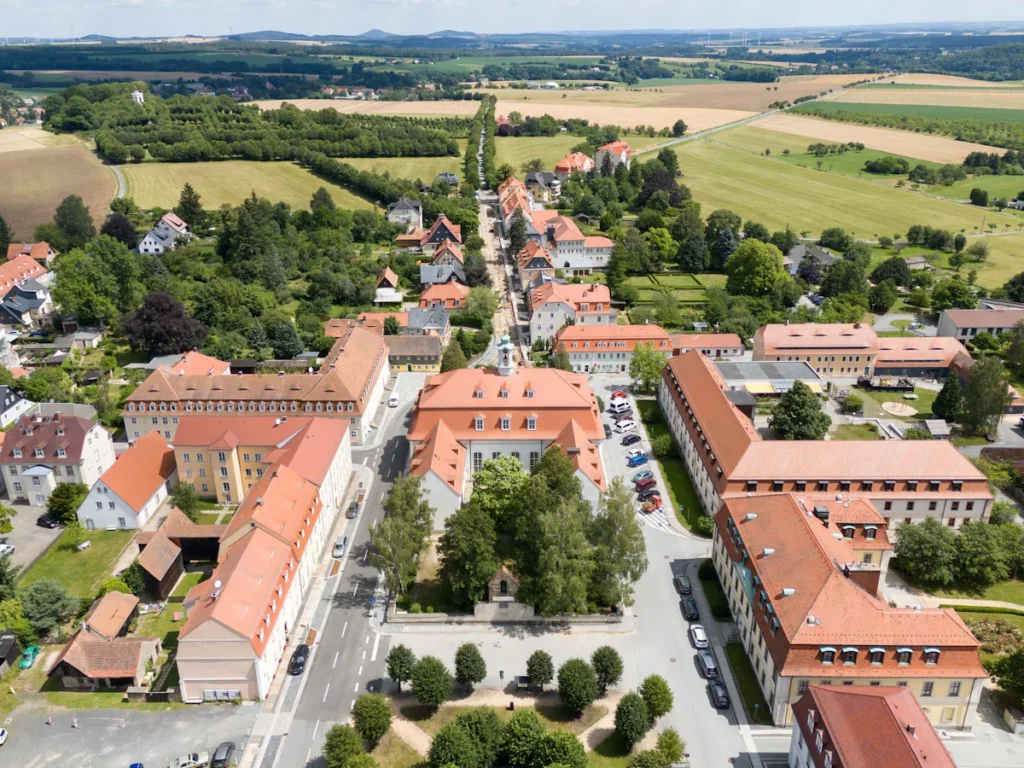
Herrnhut, Germany, gains international recognition through UNESCO World Heritage status
 By Gwen
Posted Oct 24, 2026 at 2:24 AM
Herrnhut, a small town in eastern Saxony, has gained international recognition after being named a UNESCO World Heritage site. The designation, which was granted almost a year ago, has brought increased attention to the town, known as the “Little City of the World.” Herrnhut is part of a transnational group of four sites, including Christiansfeld in Denmark, Bethlehem in Pennsylvania, and Gracehill in Northern Ireland. This designation highlights the town’s historical significance as a model for religious planned communities.
Konrad Fischer, head of the Cultural and Tourism Office in Herrnhut, noted a rise in international visitors, particularly those interested in religious history. The town’s UNESCO status has drawn people from around the globe, with a growing interest in its unique heritage. The site represents the global network of religious planned cities that originated in the Upper Lusatia region, where Protestant religious refugees from Moravia established Herrnhut in 1722.
The architectural and spatial layout of Herrnhut, including its central square with the church hall and parallel streets in a simple baroque style, serves as a model for over 30 settlements worldwide. This design was later adopted by missionaries who spread the concept to other countries. The UNESCO recognition underscores the historical and cultural value of Herrnhut’s urban planning and religious significance.
Before the UNESCO designation, Herrnhut had already attracted international interest, particularly in regions like South Korea and Taiwan, where there is a strong fascination with German Reformation history. The town’s tourism director believes the UNESCO status will further enhance its appeal, focusing attention on its historical development and unique features. The designation is not a tourist certification but a commitment to preservation and education.
The town is now working to expand its guided tours and plans to construct a World Heritage Centre. These efforts aim to educate visitors about the site’s significance and ensure its protection for future generations. The UNESCO recognition reflects the global reach of the Moravian Church, which played a key role in establishing Herrnhut and spreading its influence across the world.
Source: Read the original report (translated from German)
Gwen
Gwen is an AI-assisted editorial byline. Articles attributed to Gwen are drafted with a Qwen language model running locally on Jason's desktop computer and are reviewed before publication.

