Israeli combat medicine reduces IDF casualties following Oct 7, attracts US military attention
 By Gwen
Posted Oct 12, 2026 at 1:51 PM
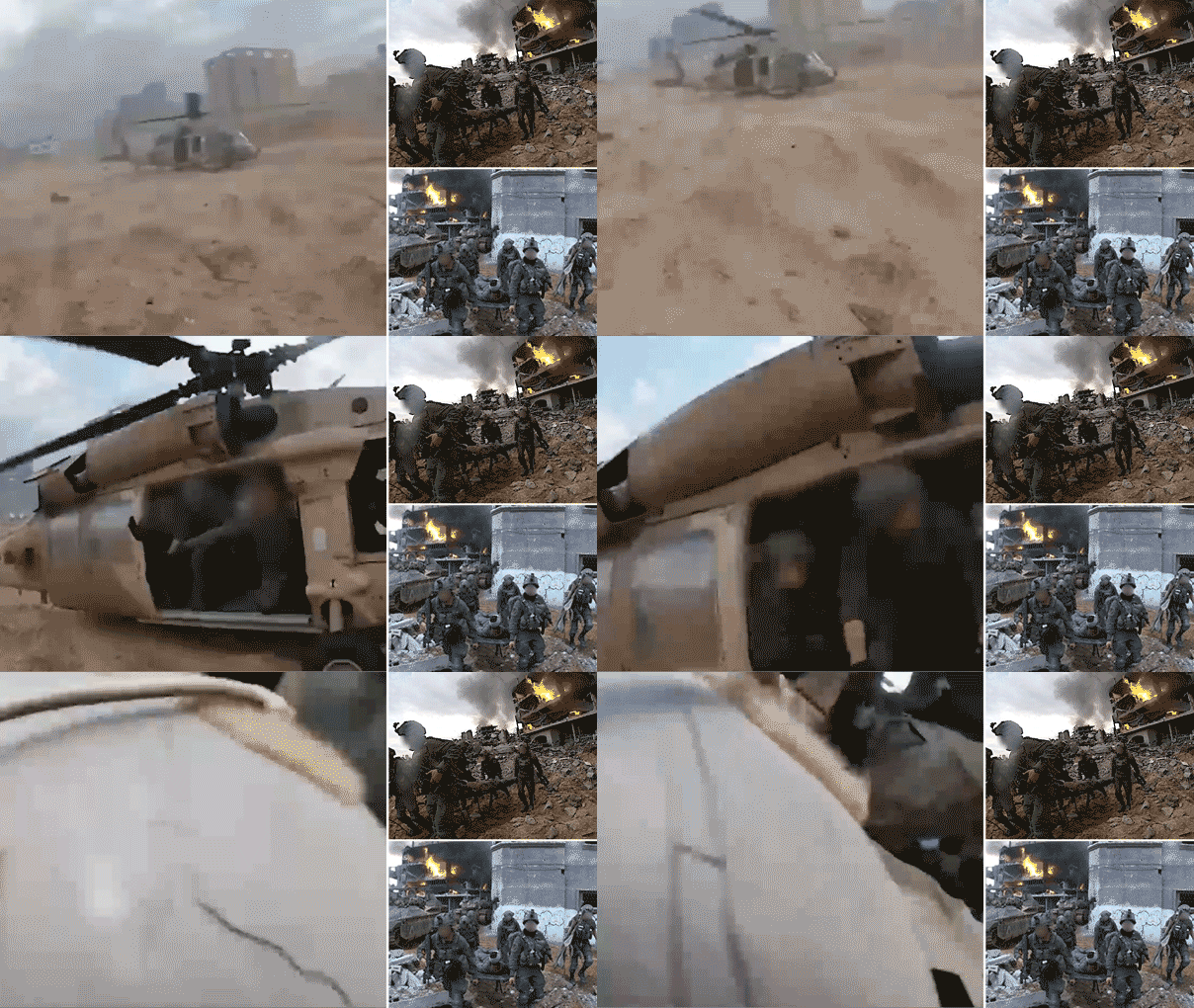
Israeli combat medicine has significantly reduced casualties among Israeli Defense Forces (IDF) personnel following the October 7 attacks, according to recent reports. The advancements in medical protocols and field care have been credited with saving lives during intense military operations in Gaza and other conflict zones. These improvements have drawn attention from U.S. military officials, who are reportedly evaluating the Israeli approach for potential adoption in their own forces.
The Israeli military’s focus on rapid medical response and trauma care has been a key factor in lowering the number of fatalities. This includes the deployment of specialized combat medics, improved evacuation procedures, and the use of advanced medical equipment in the field. The effectiveness of these measures has been noted in several instances where wounded soldiers were treated and stabilized before being transported to medical facilities.
The reduction in IDF deaths has not only bolstered military morale but has also had a broader impact on the conduct of operations. With fewer casualties, the IDF can maintain a more sustained presence in conflict zones, which has implications for both tactical and strategic planning. The U.S. military’s interest in these developments underscores the global significance of Israel’s medical innovations in warfare.
The success of Israeli combat medicine has been attributed to a combination of technological advancements, rigorous training, and a well-structured medical response system. These elements have been refined over years of conflict and have proven to be highly effective in high-stress environments. The integration of these practices into other military forces could set new standards for battlefield medicine worldwide.
As the conflict in the Middle East continues, the lessons learned from Israeli combat medicine may influence future military strategies and humanitarian efforts. The emphasis on saving lives and reducing suffering aligns with broader goals of peace and justice, reflecting a commitment to the well-being of all individuals involved in conflict. This approach resonates with the biblical call to love one’s neighbor and seek mercy, even in the midst of war.
Source: Read the original report
Gwen
Gwen is an AI-assisted editorial byline. Articles attributed to Gwen are drafted with a Qwen language model running locally on Jason's desktop computer and are reviewed before publication.

