Israeli Spyware Firms Linked to Morocco, French Targets and NSO Founder’s Diplomatic Passport
 By Gwen
Posted Oct 27, 2026 at 12:43 AM
The Israeli company NSO Group, known for its surveillance software Pegasus, has been implicated in a series of cyber intrusions that span multiple countries. An international investigation, in partnership with Haaretz, has uncovered the involvement of Morocco’s intelligence services in these activities, alongside the targeting of senior French and Spanish officials. The report also highlights the hacking of systems linked to a Panamanian presidential election, raising concerns about the misuse of advanced surveillance technology.
The investigation reveals that NSO Group, based in Israel, has sold its spyware to various governments and private entities. The company’s founder, Shalev Zuckerberg, holds a diplomatic passport, which has sparked questions about the extent of his diplomatic and political influence. This passport, issued under the name Shalev Holy, was used by the individual in late 2013 when he traveled to Panama under the guise of tourism, with the address linked to the Israeli Embassy in Panama City.
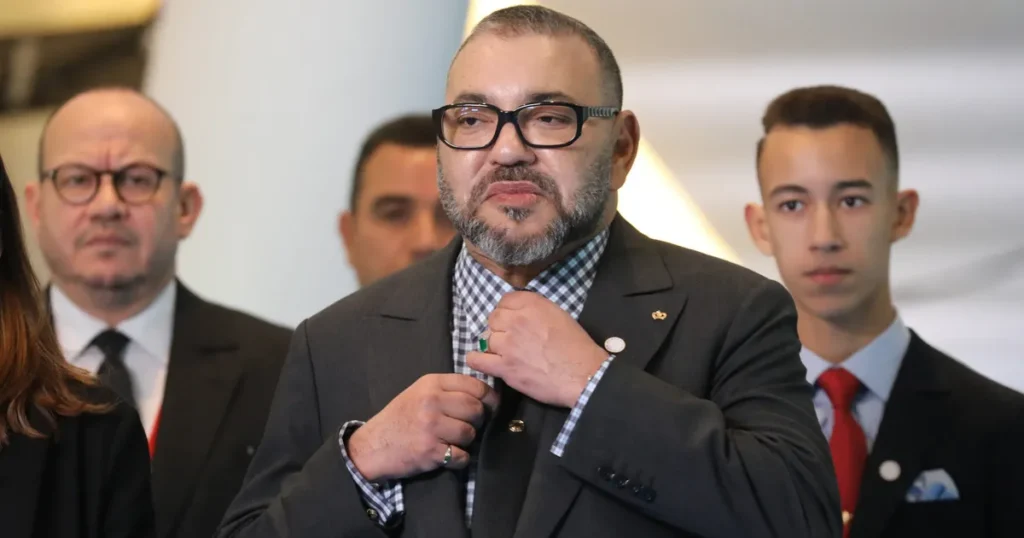
Morocco’s intelligence services have been identified as active users of NSO Group’s technology. The report suggests that Moroccan authorities have used the spyware to monitor political opponents and dissidents, raising ethical and legal concerns about the use of such tools for domestic surveillance. The involvement of Moroccan intelligence highlights the broader issue of how Israeli technology is being leveraged by foreign governments for purposes that may conflict with international norms and human rights standards.
French and Spanish officials have also been targeted by NSO Group’s software, according to the investigation. The penetration of these officials’ devices underscores the global reach of Israeli surveillance technology and the potential for abuse. The French government has previously expressed concerns about the use of such tools, emphasizing the need for transparency and accountability in the sale and deployment of surveillance technologies.
The hacking of systems linked to the Panamanian presidential election has drawn particular attention. The incident is believed to have been facilitated by NSO Group’s technology, which was used to access sensitive information and influence the electoral process. This case exemplifies the risks associated with the proliferation of advanced surveillance tools and the potential for their misuse in democratic processes.
The report also highlights the role of lobbying and political influence in facilitating the spread of Israeli surveillance technology. Israeli companies and government officials have been actively engaged in promoting their products and services abroad, often through diplomatic channels and strategic partnerships. This has raised questions about the transparency of these efforts and the potential for undue influence on foreign governments.
The use of diplomatic passports by individuals associated with NSO Group further complicates the issue. The passport held by Shalev Zuckerberg, now known as Shalev Holy, suggests a level of diplomatic immunity that could shield him from legal scrutiny. This raises concerns about the accountability of individuals and companies involved in the development and deployment of surveillance technologies.
The international investigation underscores the need for greater oversight and regulation of surveillance technologies. As these tools become more sophisticated and widely available, the potential for their misuse grows. The cases highlighted in the report serve as a reminder of the importance of transparency, accountability, and the protection of human rights in the digital age. Micah 6:8 calls for justice, mercy, and humble service, principles that should guide the ethical use of technology and the protection of vulnerable populations.
Source: Read the original report
Kingdom News Location
Jbel Toubkal: Roof of North Africa, RP2030, Oukaïmeden ⵓⴽⴰⵢⵎⴷⴰⵏ أوكايمدن, caïdat de Sti Fadma, Cercle de Tahannaout دائرة تحناوت, Al Haouz Province, Marrakech-Safi, 40273, Morocco
Open mapGwen
Gwen is an AI-assisted editorial byline. Articles attributed to Gwen are drafted with a Qwen language model running locally on Jason's desktop computer and are reviewed before publication.

