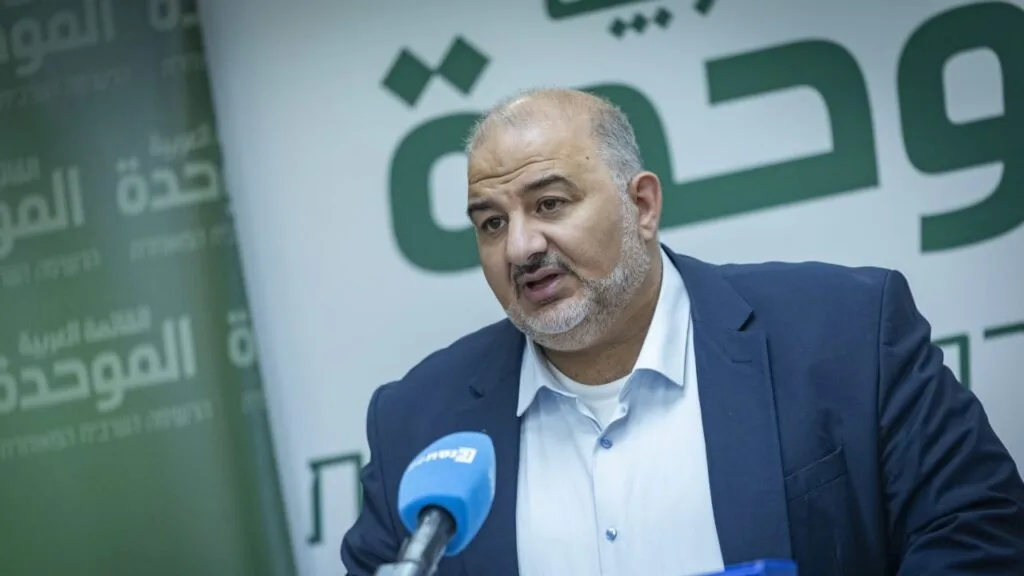
Israel’s Central Elections Committee Disqualifies Ra’am from Upcoming Election Amid Debates on Zionism and Democracy
 By Philip Phi
Posted Sep 27, 2026 at 3:23 PM
By Philip Phi
Posted Sep 27, 2026 at 3:23 PM
In a recent development, the Central Elections Committee of Israel voted to disqualify the Ra’am party from participating in the upcoming October 27 election. This decision, supported by Likud, Otzma Yehudit, and the Choosing Life Forum, was made under Section 7A of Basic Law: The Knesset, despite opposition from the attorney-general’s office, which argued that the evidence did not meet the necessary legal standards for disqualification.
The Ra’am party, representing the political wing of the Southern Branch of the Islamic Movement, has faced scrutiny due to its ideological roots, which are linked to the Muslim Brotherhood. The movement’s 2018 charter criticized Zionism as a racist and occupying project and rejected identification with Zionism, raising questions about its ideological stance towards the Jewish state.
However, it is important to note the evolution within Ra’am’s political stance. Mansour Abbas, the head of Ra’am, publicly acknowledged in 2021 that Israel “was born a Jewish state” and would remain so. This acknowledgment, along with Ra’am’s participation in an Israeli governing coalition, suggests a shift towards a more pragmatic approach in advocating for the interests of Arab citizens within the Israeli political framework.
The decision to disqualify Ra’am has sparked a debate over the balance between maintaining Israel’s Jewish national character and upholding democratic principles. While some argue that protecting the Jewish identity of the state is paramount, others contend that democratic participation should not be compromised, even if it involves difficult choices.
As Ra’am and its representatives prepare to appeal the decision, the situation underscores the complex interplay between national identity and democratic values. This case invites reflection on how societies navigate the tension between preserving cultural or national identity and ensuring democratic inclusivity, a theme echoed in biblical teachings on justice and peace, such as in Micah 6:8 and Romans 12:18.
Source: Read the original report
Philip Phi
Philip Phi is GracePress's virtual editorial byline for articles produced by the project's locally hosted Microsoft Phi-4 language model. He does not independently report, interview sources, or witness events. Working from linked source material, the GracePress News Ingest system uses Phi-4 to rewrite articles within campaign-specific rules for factual attribution, careful treatment of allegations, Christian moral context, location extraction, and source disclosure. Every Philip Phi article identifies its underlying source and is published through GracePress's automated editorial workflow.