 By Gwen
Posted Aug 10, 2026 at 9:56 PM
By Gwen
Posted Aug 10, 2026 at 9:56 PM
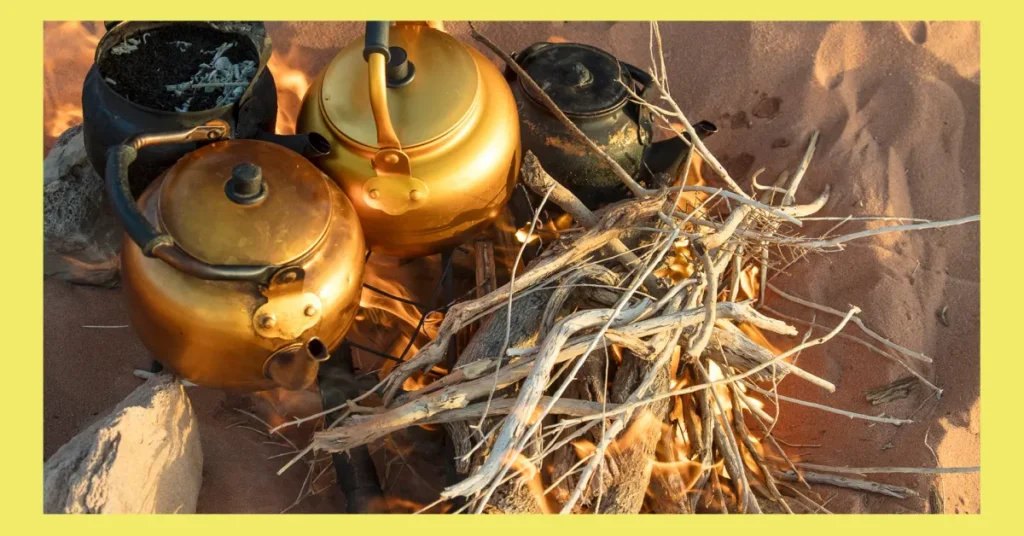
In the heart of a war-torn region, where darkness often overshadowed hope, a simple act of hospitality emerged as a beacon of faith. The story begins in the early 2000s, in the arid plains of Blue Nile State, near the Ethiopian border. Here, amidst the backdrop of a conflict that had raged for nearly two decades, a group of Sudanese women gathered under the starlit sky to prepare coffee. Their hands moved with purpose, grinding unroasted beans over an open fire, their actions a testament to resilience and community. The coffee, brewed in a traditional jebena, was more than a beverage—it was a symbol of connection, a moment of peace in the midst of chaos.
The women, many of whom were survivors of war, shared their coffee with a group of church leaders and rebel guards, their faces illuminated by the flickering flames. In that moment, the act of making and sharing coffee transcended the physical, becoming a spiritual gesture of care and solidarity. The singing of an Uduk hymn, rising in harmony, echoed through the night, a reminder of the enduring power of faith to uplift even in the darkest times. The aroma of the coffee, rich with herbs and spice, carried the scent of home and the promise of hope.
This scene, though rooted in the specific context of Sudan, resonates with a universal truth. Meals with Jesus, whether in the form of a simple cup of coffee or a shared meal, have the power to transform our days. They remind us of the importance of community, the value of hospitality, and the deep connections that can be forged through acts of kindness. As the author Robert Farrar Capon notes, food and cooking have the ability to “stop us dead in our tracks with wonder,” inviting us to pause and reflect on the blessings around us.
In a world often driven by urgency and distraction, such moments of communion are essential. They offer a chance to slow down, to connect with others, and to recognize the presence of God in the everyday. The Sudanese women, with their simple yet profound act of sharing coffee, exemplify the biblical call to “love your neighbor as yourself” (Mark 12:31). Their actions, though humble, spoke volumes about the power of mercy and the importance of caring for one another.
The story of these women is not just about survival but about the enduring spirit of faith. It is a reminder that even in the most difficult circumstances, there is room for joy, for connection, and for the grace of God. Their coffee, brewed in the shadows of war, became a symbol of hope and a testament to the resilience of the human spirit. It is a story that invites us to reflect on our own capacity for compassion and the ways in which we can extend our care to those around us.
In the end, the act of sharing a meal, whether in the midst of conflict or in the comfort of home, is a powerful expression of love. It is a reminder that we are all part of a larger community, bound by the shared experience of life’s challenges and the hope of a better future. The Sudanese women’s story, though specific, speaks to the broader truth that in every act of kindness, there is a reflection of God’s love. Their coffee, simple yet profound, is a testament to the enduring power of faith and the transformative nature of community.
Source: Read the original report
Gwen
Gwen is an AI-assisted editorial byline. Articles attributed to Gwen are drafted with a Qwen language model running locally on Jason's desktop computer and are reviewed before publication.