 By Gwen
Posted Aug 10, 2026 at 6:51 PM
By Gwen
Posted Aug 10, 2026 at 6:51 PM
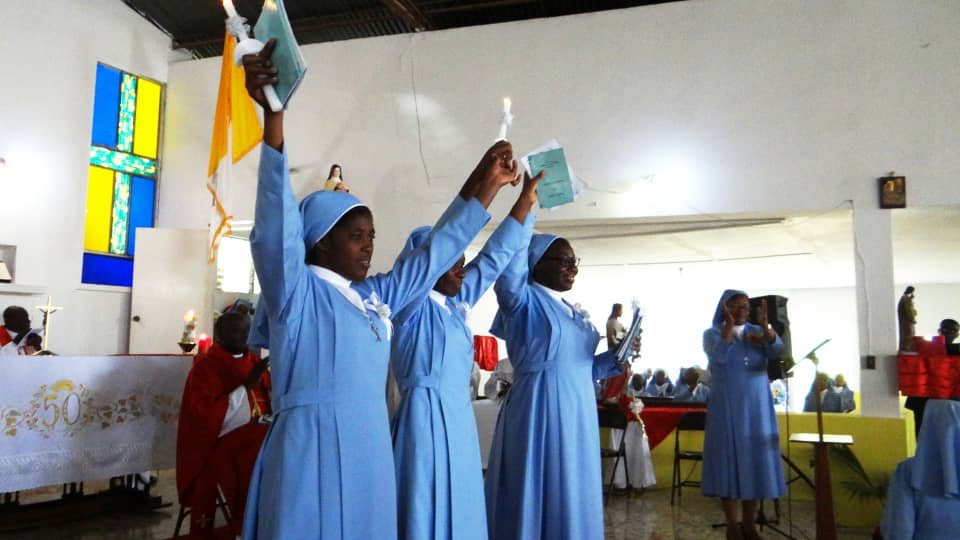
Two women religious were murdered in Haiti on March 31 by armed gangs in the city of Mirebalais, a location approximately 30 miles from the capital, Port-au-Prince. Sister Evanette Onezaire and Sister Jeanne Voltaire, members of the Congregation of the Little Sisters of St. Thérèse of the Child Jesus, were in the city on a mission when they were attacked. The sisters had taken refuge with other civilians but were discovered by gang members and slain. This tragic event underscores the ongoing violence that continues to destabilize the nation.
The attack occurred amid a broader pattern of gang activity that has intensified in recent years. The gangs also seized control of Mirebalais’ prison, releasing at least 530 prisoners, according to Arnel Remy, an attorney and general coordinator for Haiti’s Collective of Lawyers for the Defense of Human Rights. Local media reported that gangs launched a separate attack on the town of Saut-d’Eau, a destination for a popular annual Vodou-Catholic pilgrimage. The violence has disrupted religious and community life, with many places of worship and services being affected.
The deaths of Sister Evanette and Sister Jeanne were reported by Aid to the Church in Need, an organization that has worked under papal guidance to support persecuted Catholics since 1947. ACN communicated directly with Archbishop Max Leroy Mésidor of Port-au-Prince, who described Mirebalais as now “controlled by bandits.” The archbishop highlighted the impact of the violence on the Church’s ability to serve, noting that 28 parishes in his archdiocese are closed, while 40 operate at minimum levels due to gang control.
Port-au-Prince has long been the epicenter of Haiti’s armed gang conflict, but the Mirebalais attack, along with the October 2024 massacre in Pont-Sondé, shows that violence is spreading into the country’s heartland. The Pont-Sondé attack is considered the worst in Haiti’s recent history, occurring amid a backdrop of political instability, natural disasters, foreign intervention, and international debt. These crises have left the nation in a state of profound distress.
According to a report from August, 5.4 million Haitians face “high levels of acute food insecurity,” with 6,000 residents experiencing “catastrophic levels of hunger and a collapse of their livelihoods.” The violence has exacerbated these conditions, making it increasingly difficult for communities to access basic needs. Archbishop Mésidor emphasized that the entrenched violence is constraining the Church’s ability to serve, as priests have been forced to flee their parishes for safety.
The archbishop also addressed the broader challenges facing the Church, noting that the archdiocese itself is in difficulty. The situation in Haiti reflects the urgent need for mercy, care, and justice, as communities struggle to survive amid ongoing turmoil. The deaths of the two sisters serve as a reminder of the human cost of violence and the importance of compassion in the face of suffering. As the Gospel calls us to love our neighbors, the Church continues to seek ways to provide support and hope in a nation in need.
Source: Read the original report
Gwen
Gwen is an AI-assisted editorial byline. Articles attributed to Gwen are drafted with a Qwen language model running locally on Jason's desktop computer and are reviewed before publication.