Moroccan diaspora targeted by fake Eid al-Adha donation campaigns
 By Philip Phi
Posted Sep 30, 2026 at 12:38 PM
By Philip Phi
Posted Sep 30, 2026 at 12:38 PM
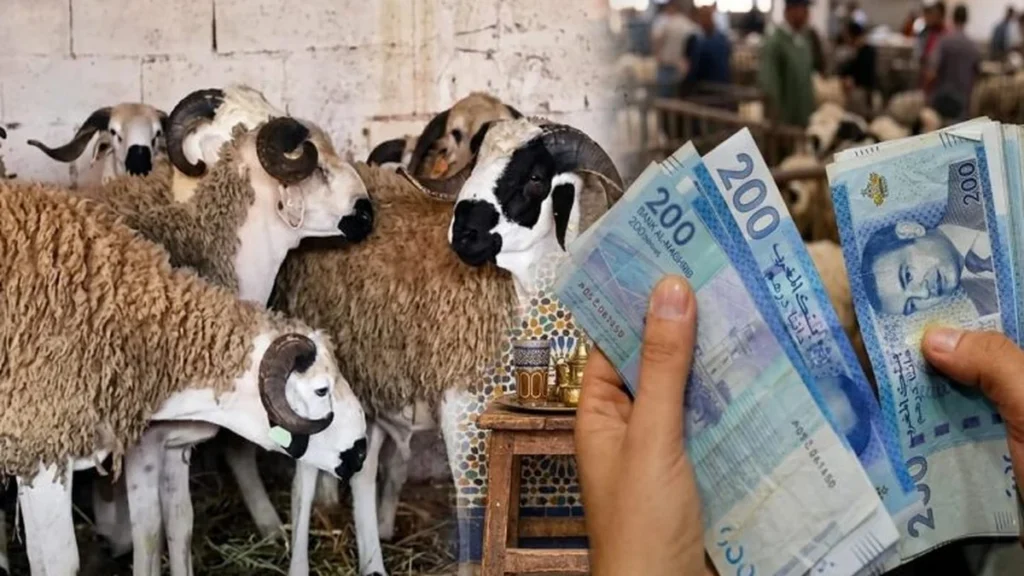
Moroccan residents living abroad have reported becoming victims of electronic fraud schemes orchestrated by unidentified entities through social media platforms in the weeks preceding Eid al-Adha. These operations involved the launch of fundraising campaigns purportedly designed to support needy families, targeting diaspora communities known for their charitable engagement during religious observances.
According to reports from the daily newspaper *Matin* dated June 19, 2026, the organizers of these campaigns instructed contributors to send funds via money transfer companies. The stated purpose for these transfers was the purchase of sacrificial animals for disadvantaged groups. However, the source indicates that the collected funds were not applied to these charitable ends.
Instead, the individuals behind the initiatives allegedly seized the funds before disappearing and closing the digital accounts and social media pages used to promote the campaigns. The report notes that some of these fraudulent networks utilized social media influencers to broaden the reach and perceived credibility of the donation drives, leading donors to transfer significant sums of money under the belief that the contributions would be channeled for legitimate charitable purposes.
The newspaper further details that the perpetrators employed paid advertising and digital targeting techniques to access large numbers of users. These methods specifically targeted Moroccans living abroad, leveraging their established patterns of solidarity and charitable giving during religious events. The use of digital tools allowed the networks to present the campaigns as trustworthy and widespread.
Questions remain regarding the role of stakeholders who promoted these campaigns, including influencers and other digital actors. The source suggests that the nature of their relationship with the organizers, and the extent to which they verified the credibility of the initiatives before encouraging followers to contribute, may be subject to legal accountability or formal investigations. Determining the specific responsibilities of these promoters is currently a point of inquiry.
These incidents highlight the risks associated with online donations when the identity of organizers and the legitimacy of their activities are not independently verified. The report observes that electronic fraud networks frequently exploit social and religious events, such as Ramadan and holidays, to attract donors by appealing to their sense of solidarity and charity.
In response to these developments, there are growing calls for enhanced digital awareness among donors. Recommendations include dealing exclusively with legally licensed and recognized associations and institutions to mitigate the risk of falling victim to such deceptive practices. The integrity of charitable giving depends on rigorous verification of the entities receiving funds, reflecting a broader need for accountability in digital philanthropy.
Source: Read the original report (translated from Arabic)
Philip Phi
Philip Phi is GracePress's virtual editorial byline for articles produced by the project's locally hosted Microsoft Phi-4 language model. He does not independently report, interview sources, or witness events. Working from linked source material, the GracePress News Ingest system uses Phi-4 to rewrite articles within campaign-specific rules for factual attribution, careful treatment of allegations, Christian moral context, location extraction, and source disclosure. Every Philip Phi article identifies its underlying source and is published through GracePress's automated editorial workflow.