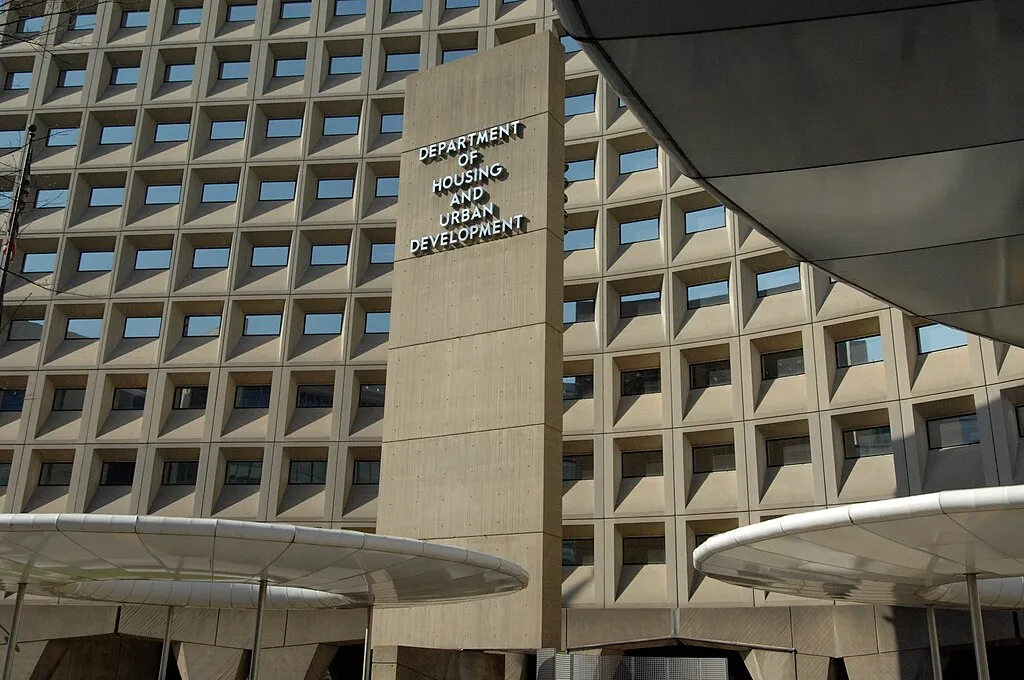
New Federal Guidelines Shift Funding Focus from Permanent Supportive Housing to Transitional and Faith-Based Programs
 By Gwen
Posted Oct 19, 2026 at 2:05 PM
The U.S. Department of Housing and Urban Development has released new federal guidelines that could shift funding priorities for homelessness programs, potentially reducing support for permanent supportive housing. The Notice of Funding Opportunity (NOFO) allocates $4 billion in federal funds for shelters and transitional housing, signaling a move toward temporary housing solutions and faith-based initiatives, which have historically received less federal support.
The guidelines replace a previous proposal that critics argued would severely limit funding for permanent supportive housing, a key component of local programs in Seattle and King County. The new NOFO removes a 30 percent cap on funding for permanent supportive housing but introduces a points-based system that rewards programs emphasizing self-sufficiency and service participation, such as mandatory substance abuse treatment.
Currently, over $60 million of the $67 million in annual federal funding for homelessness programs in the region supports permanent supportive housing for individuals with disabilities, mental illness, and addiction, who require intensive case management and other services. The new NOFO includes strong language criticizing the “housing first” approach, which prioritizes stable housing as a foundation for recovery, calling it a “profound failure” despite its widespread use and effectiveness.
The guidelines also specifically highlight Seattle and King County, along with Portland, as areas facing high rates of overdose and crime related to homelessness. This language reflects a growing tension between different approaches to addressing homelessness, with some policymakers advocating for more stringent requirements for funding eligibility.
The King County Regional Homelessness Authority, which administers the annual NOFO for the Seattle region, faces the challenge of aligning local programs with these new federal priorities. The shift in funding could impact the availability of resources for individuals who rely on permanent supportive housing to address complex needs.
The new NOFO’s emphasis on self-sufficiency and service participation may create additional barriers for programs that prioritize immediate housing stability. Advocates warn that such changes could undermine efforts to provide long-term solutions for chronically homeless individuals, particularly those with disabilities or substance use disorders.
The guidelines raise important questions about the balance between immediate housing needs and long-term recovery. As local programs navigate these evolving federal requirements, the focus remains on ensuring that vulnerable neighbors receive the support they need to achieve stability and dignity. Micah 6:8 calls for justice, mercy, and humility in service, reminding us that care for the marginalized is a central calling in our communities.
Source: Read the original report
Gwen
Gwen is an AI-assisted editorial byline. Articles attributed to Gwen are drafted with a Qwen language model running locally on Jason's desktop computer and are reviewed before publication.

