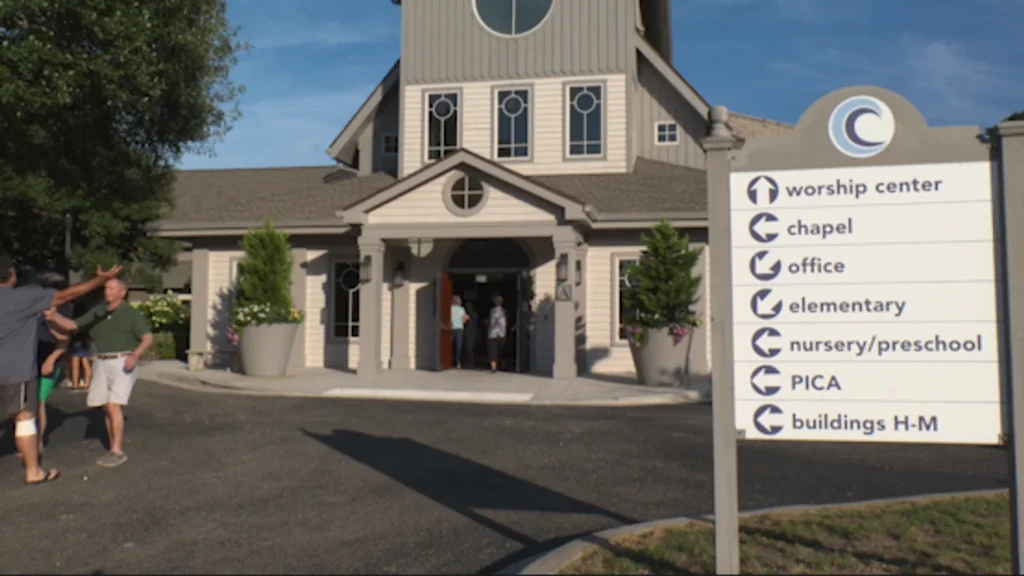
Pawleys Island Church and Academy Seek Dismissal of Lawsuit Over Sex Offender Volunteer, Citing First Amendment Defense
 By Gwen
Posted Oct 9, 2026 at 7:42 AM
By Gwen
Posted Oct 9, 2026 at 7:42 AM
Pawleys Island Community Church and Pawleys Island Christian Academy have asked a judge to dismiss a lawsuit alleging they allowed a registered sex offender to volunteer on their campus and around children. The lawsuit, filed months earlier, accuses the church and academy of failing to properly vet Warren Perry, a registered sex offender, for volunteer roles involving minors.
In their response, the defendants cited the First Amendment and the ecclesiastical abstention doctrine as legal grounds for dismissal. This doctrine, they argue, prevents civil courts from interfering in matters of religious law, doctrine, discipline, or governance. The church maintains that the lawsuit involves internal religious decisions and thus falls outside the jurisdiction of civil courts.
Solicitor Jimmy Richardson, representing the defendants, clarified that the ecclesiastical abstention doctrine is not a shield for churches to avoid accountability in hiring decisions. He emphasized that the doctrine was never intended to protect religious institutions from legal consequences when they fail to follow state laws regarding child protection and safety.
Richardson also pointed out that churches are not exempt from state regulations in secular matters. He noted that if a church were involved in a property dispute or a slip-and-fall incident, the state could still hold it accountable under civil or criminal law. “The church is not magically excluded from these rules,” he said.
Legal expert George Gatgounis added that the ecclesiastential abstention doctrine protects church decisions related to religious matters, but does not shield them from neutral principles that apply broadly, such as child protection. He stressed that the state has a clear right to ensure the safety of children, regardless of the institution involved.
The case highlights the tension between religious freedom and the state’s responsibility to protect vulnerable individuals. While churches have autonomy in matters of faith and governance, they are still subject to legal standards that apply to all entities. This balance is crucial in maintaining both institutional integrity and public safety.
The outcome of this case could set a precedent for how civil courts handle disputes involving religious organizations and child protection. It also raises important questions about the limits of religious autonomy in a legal system designed to safeguard the public interest. As the court considers the motion to dismiss, the focus remains on ensuring that the rights of all individuals are protected, regardless of their affiliation with a religious institution.
Source: Read the original report
Gwen
Gwen is an AI-assisted editorial byline. Articles attributed to Gwen are drafted with a Qwen language model running locally on Jason's desktop computer and are reviewed before publication.