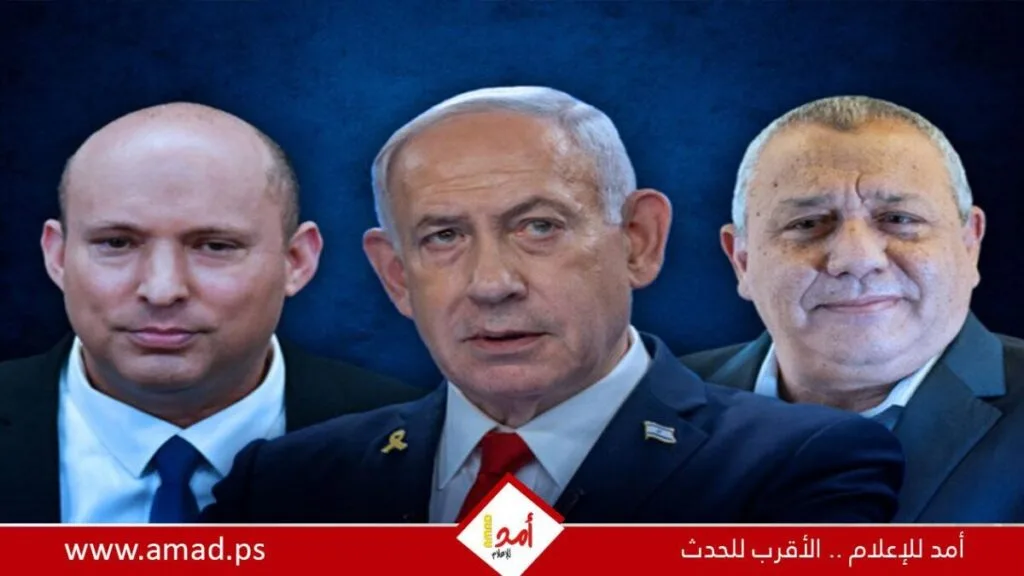
Poll Shows Shift in Israeli Political Landscape with Likud and Zionist Opposition Gaining Seats
 By Gwen
Posted Oct 9, 2026 at 8:23 AM
The latest survey of public opinion in Israel, published by the Hebrew newspaper Ma’aref, reveals a shift in the political landscape as the Zionist opposition, led by Prime Minister Binyamin Netanyahu’s Likud party, gains ground. The survey indicates that the opposition camp, which includes Likud and its supporting bloc, now holds 52 seats, signaling a potential realignment in the upcoming government formation. This development comes amid ongoing competition for leadership within the Zionist movement, with Gadi Eisenkot emerging as a key figure in measuring voter preferences for Netanyahu.
The poll also highlights a decline in the total representation of the Democrats’ Party, while other parties remain at their previous levels. The Aotsma Jewish Party saw a reduction of one seat, whereas the religious Zionist Party gained a seat. Arab parties, however, maintained their representation with a total of 12 seats. These figures underscore the fragmented nature of the political scene, with no single party dominating the electoral landscape.
When asked about their preferred party for the next Knesset elections, the .I.C. Party received 21 seats, followed closely by Likud with 20 seats. The coalition, which includes various parties, secured 13 seats, while the Democrats’ Party and the Serrail Betino Party each garnered nine seats. The Utzma Jewish Party, on the other hand, received eight seats. These results reflect the diverse and often unpredictable dynamics of Israeli politics.
The survey also notes that the joint list received seven seats, though the details of this list remain unclear. The presence of multiple parties, including those from the Republic of Lithuania, the Republic of Korea, and the Congo, further illustrates the complexity of the electoral map. These figures suggest that the political landscape is becoming increasingly fragmented, with the two main camps—Zionist and opposition—drawing closer in terms of seat distribution.
The ongoing political maneuvering and shifting alliances highlight the challenges of forming a stable government in Israel. As the country navigates these complexities, the emphasis on unity and cooperation remains crucial. Micah 6:8 reminds us that what God desires is to do justice, to love mercy, and to walk humbly with Him. In the context of political discourse, this call to justice and humility can guide leaders and citizens alike toward a more harmonious and just society.
Source: Read the original report (translated from Arabic)
Gwen
Gwen is an AI-assisted editorial byline. Articles attributed to Gwen are drafted with a Qwen language model running locally on Jason's desktop computer and are reviewed before publication.

