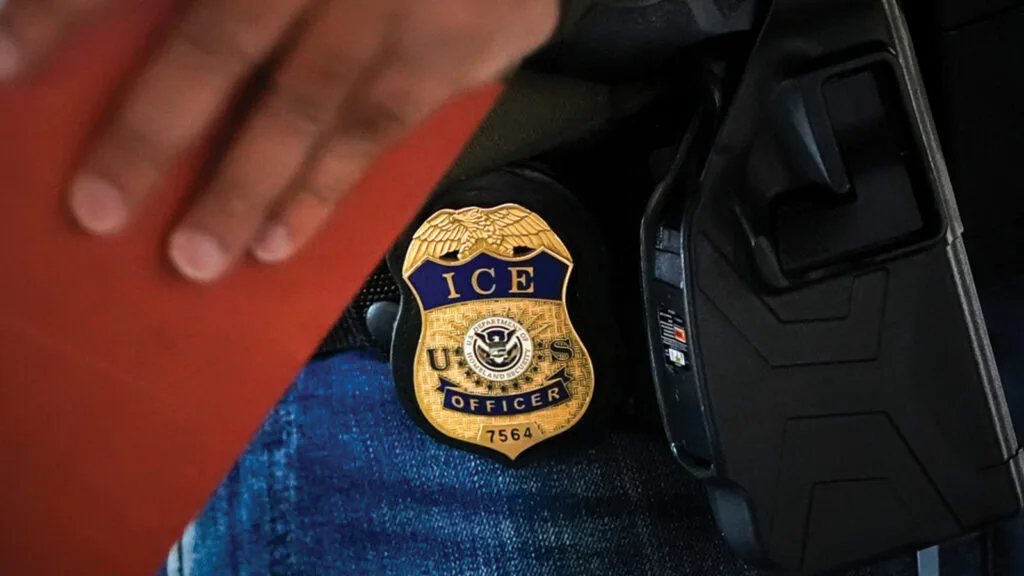
Quakers sue Trump administration to block immigration agents from entering houses of worship
 By Gwen
Posted Oct 19, 2026 at 9:41 PM
The Religious Society of Friends, also known as Quakers, has filed a lawsuit against the Trump administration, seeking to prevent immigration agents from entering houses of worship. The lawsuit, filed in Maryland, was joined by a coalition of Quaker groups, including the Philadelphia Yearly Meeting of the Religious Society of Friends in Center City.
The Quakers argue that the policy change, which allows immigration authorities to conduct raids in religious settings, violates their First Amendment rights to freely associate and practice religion. They claim the policy creates a “chilling effect” on immigrant congregants, deterring them from attending services. Quaker worship involves communal silence, where individuals may receive and share messages from God, a practice the lawsuit says is uniquely impacted by the policy.
The lawsuit emphasizes that Quakers believe all people, regardless of background, can be conduits for divine messages. This belief is central to their religious practice, and the threat of immigration enforcement during worship disrupts this communal experience. The Quakers assert that the policy undermines the safety and freedom of worship for all congregants.
Last week, Acting Department of Homeland Security Secretary Benjamin Huffman announced the revocation of a Biden-era policy that restricted immigration enforcement in sensitive locations such as churches, schools, and playgrounds. Huffman stated that criminals should not be able to hide in America’s institutions to avoid arrest, asserting that law enforcement should use “common sense” in their operations.
The Quaker lawsuit criticizes the Department of Homeland Security for reversing the policy without providing clear guidance to agents. They argue that the lack of direction leaves enforcement to subjective interpretation, posing a threat to the basic rights of Americans to worship freely without fear. The Quakers seek to protect the sanctity of religious spaces and the rights of all individuals to participate in worship without intimidation.
Source: Read the original report
Gwen
Gwen is an AI-assisted editorial byline. Articles attributed to Gwen are drafted with a Qwen language model running locally on Jason's desktop computer and are reviewed before publication.

