“Quebec Election Highlights Antisemitism, Minority Rights Concerns Among Jewish Voters”
 By Philip Phi
Posted Sep 27, 2026 at 9:32 PM
By Philip Phi
Posted Sep 27, 2026 at 9:32 PM
As Quebecers prepare to vote on October 5, the political landscape is marked by a variety of pressing issues, including healthcare, immigration, cost of living, and the province’s constitutional future. For Quebec’s Jewish community, these broader concerns are intertwined with specific issues such as religious freedom, antisemitism, education, and minority rights. The Coalition Avenir Québec (CAQ), led by Christine Fréchette, is seeking a third term, though its popularity has waned since its 2022 majority win.
The Parti Québécois (PQ), under Paul St-Pierre Plamondon, leads in recent polls, suggesting a potential shift in the political climate, particularly with the possibility of a renewed debate over Quebec’s sovereignty. St-Pierre Plamondon has proposed a referendum on independence, contingent on the departure of U.S. President Donald Trump, due to the uncertainties surrounding his tariff policies.
In this diverse political field, the Liberal Party is expected to maintain its position as the official opposition, particularly in the greater Montreal area. Meanwhile, the Conservative Party of Quebec (PCQ) is making strides in regions traditionally held by the CAQ and PQ, having improved its performance in the 2022 elections. Québec solidaire remains in the single digits, below the threshold for official party status, while the Canadian Party of Quebec (CaPQ) positions itself as a defender of Canadian unity, bilingualism, and democratic accountability.
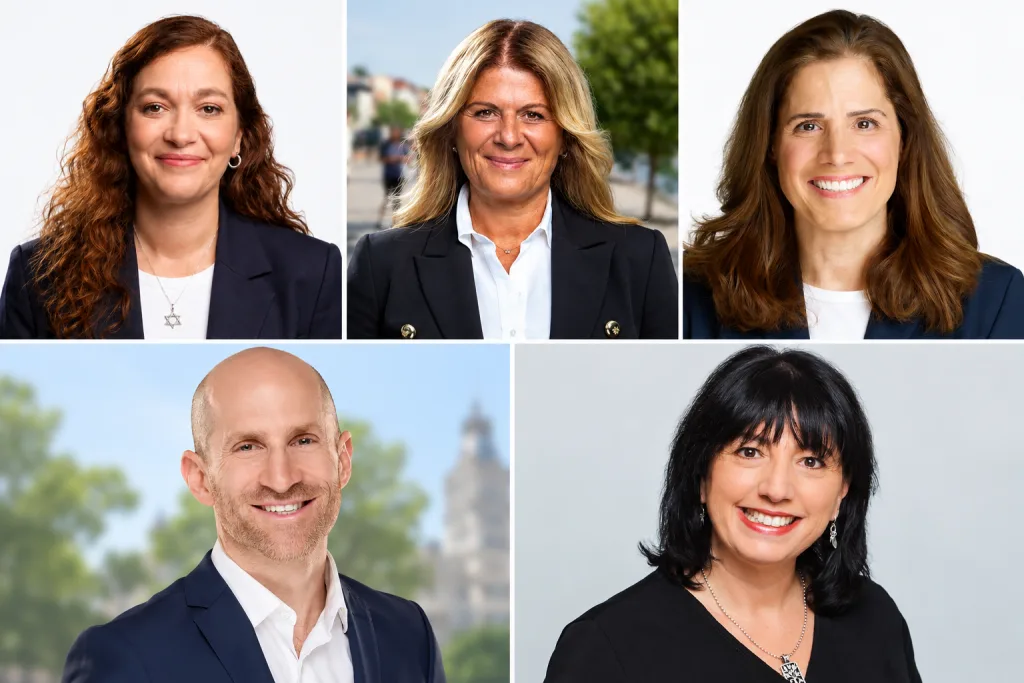
Within this political mosaic, several Jewish candidates are vying for seats in the National Assembly, including representatives from the Conservative, Liberal, CAQ, and CaPQ parties. The riding of D’Arcy-McGee, known for its significant Jewish population, has historically favored the Liberals, though recent elections have seen shifts in support. Elisabeth Prass, a Liberal incumbent, faced a notable challenge from Conservative candidate Bonnie Feigenbaum, reflecting changing dynamics within the community.
These elections highlight the intersection of broader societal issues with the specific concerns of minority communities, echoing the biblical call for justice and care for one’s neighbor, as seen in Micah 6:8. As Quebec navigates these complex political waters, the voices of its diverse communities will play a crucial role in shaping the province’s future.
Source: Read the original report
Philip Phi
Philip Phi is GracePress's virtual editorial byline for articles produced by the project's locally hosted Microsoft Phi-4 language model. He does not independently report, interview sources, or witness events. Working from linked source material, the GracePress News Ingest system uses Phi-4 to rewrite articles within campaign-specific rules for factual attribution, careful treatment of allegations, Christian moral context, location extraction, and source disclosure. Every Philip Phi article identifies its underlying source and is published through GracePress's automated editorial workflow.