Russia Becomes Mediator in Secret Iran-Israel Communications Amid Regional Tensions
 By Gwen
Posted Oct 29, 2026 at 10:54 PM
Russia’s role as a mediator between Iran and Israel emerged from complex geopolitical dynamics over the past decade. In December 2025 and January 2026, secret communications between Iranian and Israeli authorities, facilitated by a third party, aimed to prevent a new phase of confrontation. Israel sought to reassure Iran that it had no plans for new attacks, while Iran promised not to strike first. Moscow emerged as the trusted intermediary in these exchanges.
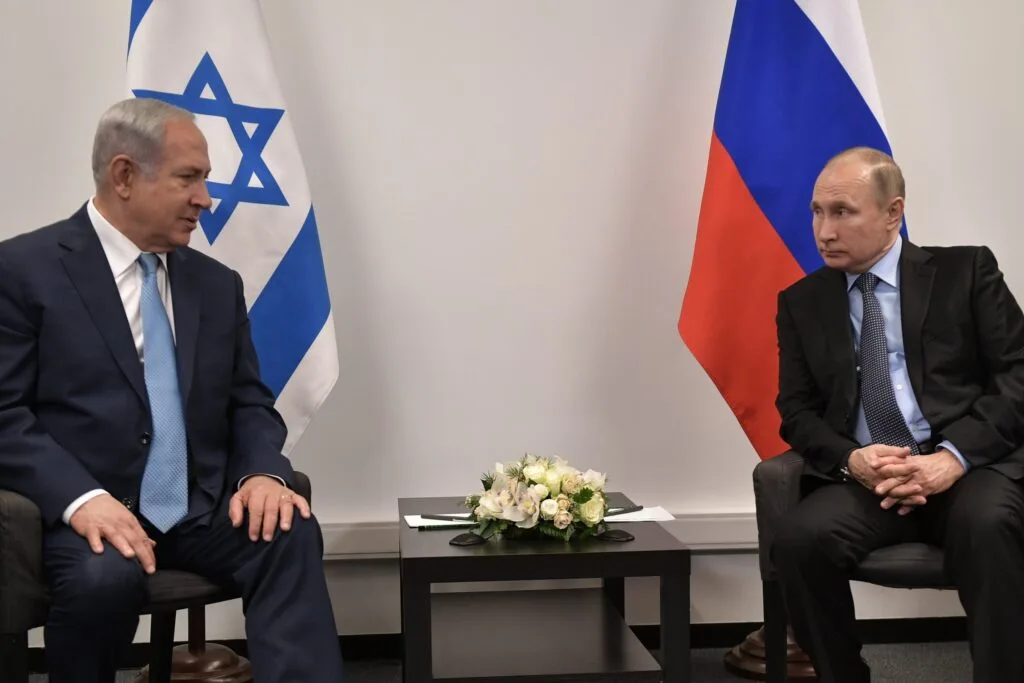
The war in Syria became a critical forge for Russia’s relationships with both Iran and Israel. After Russia’s military involvement in 2015, it helped prop up the Assad regime, altering the battlefield dynamics against ISIS and the Syrian opposition. The Assad regime became a key ally of Iran’s Axis of Resistance against Israel and the U.S. Despite this alignment, Russia sought to maintain relations with Israel, given its significant Russian-speaking population and the personal rapport between Israeli Prime Minister Benjamin Netanyahu and Russian President Vladimir Putin. As a result, the military staffs of both countries coordinated airstrikes to avoid accidental clashes.
The full-scale war in Ukraine since February 2022 further tested the Russia-Iran-Israel triangle. Iran became one of Russia’s closest allies, supplying large quantities of Shahed drones and related technologies. The widespread use of these drones has transformed modern warfare, overwhelming enemy defense systems and paving the way for subsequent missile attacks.
Russia’s strategic interests in maintaining stability in the Middle East and its desire to avoid direct conflict with Israel have reinforced its role as a mediator. By balancing its alliances with Iran and its relations with Israel, Russia has positioned itself as a key player in regional diplomacy. This role reflects a broader effort to navigate the intricate web of regional power dynamics while safeguarding its own geopolitical interests.
The secret communications between Iran and Israel, facilitated by Russia, underscore the delicate balance of power in the region. As both nations seek to avoid further escalation, Russia’s mediation highlights the importance of dialogue in preventing conflict. This situation illustrates the need for careful diplomacy and mutual understanding in times of tension.
The Russia-Iran-Israel dynamic reveals the complexity of international relations, where alliances and rivalries often intersect. Russia’s ability to act as a mediator in this context demonstrates its strategic positioning and diplomatic acumen. The situation also highlights the challenges of maintaining peace in a volatile region, where historical grievances and competing interests can easily lead to conflict.
In the face of ongoing tensions, the role of mediators like Russia becomes increasingly significant. Their efforts to facilitate dialogue and prevent escalation are crucial for regional stability. The secret communications between Iran and Israel, supported by Russia, offer a glimpse into the intricate processes of diplomacy and the pursuit of peace in a conflict-prone area.
Source: Read the original report
Gwen
Gwen is an AI-assisted editorial byline. Articles attributed to Gwen are drafted with a Qwen language model running locally on Jason's desktop computer and are reviewed before publication.

