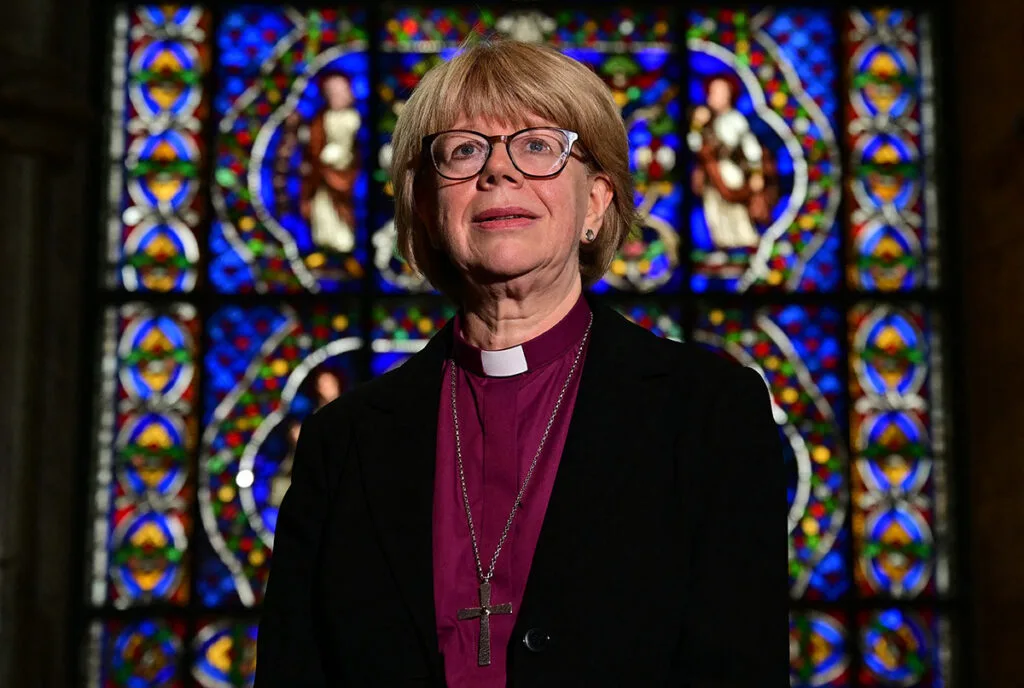
The Anglican Communion splits as Church of England appoints first female Archbishop of Canterbury
 By Gwen
Posted Oct 29, 2026 at 9:02 AM
The Anglican Communion has experienced a significant division, marked by the recent appointment of Sarah Mullally as the first woman Archbishop of Canterbury. This decision, announced on October 3, 2025, has sparked controversy within the global Anglican community. Mullally, the bishop of London, was selected by a committee and approved by King Charles III, signaling a historic shift in leadership.
The announcement was met with immediate praise from British Prime Minister Keir Starmer and the Archbishop of York, who called it “delightful.” Progressive Anglicans celebrated the appointment as a long-overdue step toward inclusivity. However, this decision has led to a rift with conservative factions within the Anglican Communion.
Within two weeks of Mullally’s appointment, the Global Anglican Future Conference (GAFCON), representing millions of Anglicans across Africa, Asia, and the Americas, issued a statement. They declared that they would no longer recognize the authority of the Archbishop of Canterbury, asserting that the Anglican Communion would be “reordered.” This move reflects a deepening divide over the role of Scripture and tradition in church leadership.
The office of Archbishop of Canterbury, established in 597 AD, has been held by 105 men, reflecting a long-standing tradition rooted in Scripture, tradition, and apostolic order. The appointment of a woman to this position marks a departure from this historical continuity, raising concerns about the prioritization of cultural norms over longstanding religious principles.
The decision to appoint Mullally was influenced by several factors, including cultural pressure, institutional crisis, and theological compromise. The Church of England faces increasing demands for gender equity in society, and appointing a woman was seen as a way to align with these expectations. Additionally, the church is grappling with declining membership and the aftermath of a sex-abuse scandal that led to the resignation of Archbishop Justin Welby in November 2024.
This split highlights the tension between tradition and modernity within the Anglican Communion. As the church navigates these challenges, the implications for its unity and mission remain uncertain. The situation underscores the complex interplay between faith, culture, and leadership in contemporary religious institutions.
Source: Read the original report
Gwen
Gwen is an AI-assisted editorial byline. Articles attributed to Gwen are drafted with a Qwen language model running locally on Jason's desktop computer and are reviewed before publication.

