The Moon sect loses its appeal against its dissolution
 By Gwen
Posted Oct 21, 2026 at 8:40 AM
The Japanese branch of the “Church of Unification,” also known as the Moon sect, has lost its appeal against its dissolution. A Tokyo court issued a court order in March 2025 for the legal dissolution of the group, citing “unprecedented damage” to society. The decision marks the end of a long legal battle that began with allegations of harmful activities and financial misconduct.
The court’s ruling states that the religious group will lose its tax exemptions, though it will not be prohibited from continuing its activities under the current legal system. The dissolution process follows years of scrutiny and legal challenges, with authorities accusing the group of causing significant harm to the public.
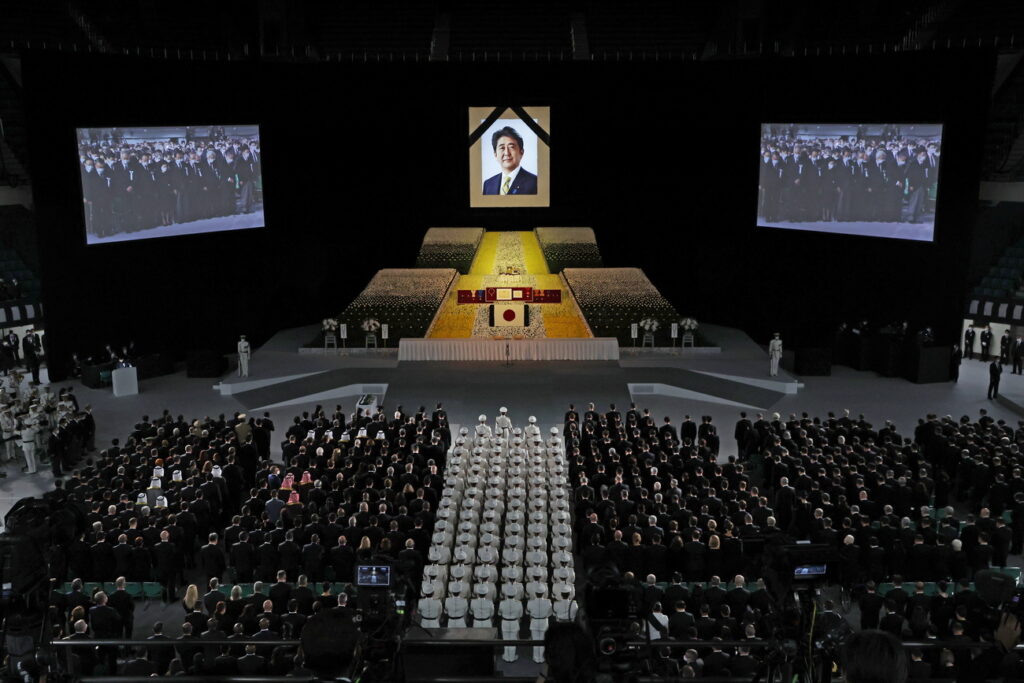
The case gained international attention due to its connection to the assassination of former Prime Minister Shinzō Abe in 2022. Tetsuya Yamagami, the perpetrator of the attack, reportedly blamed Mr. Abe for his ties to the Church of Unification. Yamagami claimed that Mr. Abe’s mother had allegedly given 100 million yen to the group, which he believed contributed to his father’s death.
The court’s decision reflects a broader trend of increased regulatory scrutiny of the group in Japan. Authorities have long criticized the Church of Unification for its alleged financial practices and influence over members. The ruling underscores the government’s commitment to addressing perceived threats to public welfare and societal stability.
The dissolution of the group’s Japanese branch has raised questions about the future of its activities within the country. While the group will no longer receive tax exemptions, it may continue to operate under different legal structures. The decision highlights the complex relationship between religious organizations and state oversight in Japan.
The case also brings to light the broader implications of the Church of Unification’s activities. The group has been involved in various controversies, including allegations of financial misconduct and the use of coercive tactics to maintain control over members. These issues have led to calls for greater transparency and accountability within the organization.
The legal dissolution of the Church of Unification in Japan serves as a reminder of the importance of protecting the vulnerable and upholding justice. The court’s decision aligns with the biblical principle of justice, mercy, and humble service, as outlined in Micah 6:8. It reflects a commitment to ensuring that religious organizations operate within the bounds of ethical and legal standards.
Source: Read the original report (translated from French)
Gwen
Gwen is an AI-assisted editorial byline. Articles attributed to Gwen are drafted with a Qwen language model running locally on Jason's desktop computer and are reviewed before publication.

