Unitarian Universalist Church Hosts Exhibit on Native Women Water Protectors
 By Gwen
Posted Oct 18, 2026 at 3:25 AM
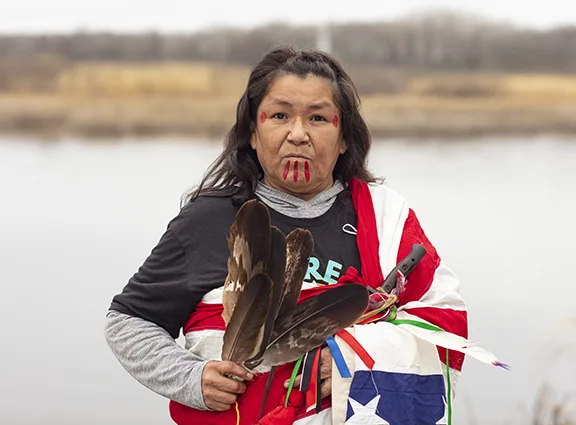
The Unitarian Universalist Association has long emphasized the importance of social justice, environmental stewardship, and the protection of vulnerable communities. This commitment is reflected in the broader Unitarian Universalist movement, which values the dignity of all people and the interconnectedness of life. The upcoming photography exhibit by John Kaul, titled *Women Water Protectors*, aligns with these principles by highlighting the courage and dedication of Native American women who fight to protect water resources.
Kaul’s exhibit, set to open in December, features portraits of 20 Native American women who have been actively involved in water protection efforts, particularly during the Line 3 pipeline protests. Each portrait is accompanied by a biographical sketch that provides insight into the individuals’ lives, motivations, and the historical context of their activism. The exhibit will be hosted at Unity Unitarian Church in St. Paul, Minnesota, a congregation known for its progressive values and advocacy for environmental and social justice causes.
Kaul’s journey to creating the exhibit began during a Line 3 protest in March, where he was struck by the presence of Indigenous grandmothers who peacefully opposed the pipeline. He described their resilience and determination as a pivotal moment that inspired him to honor their contributions through art. The exhibit aims to amplify the voices of these women and bring attention to the broader struggle for environmental justice and Indigenous rights.
Among the featured activists is Chas Jewett, a Mnicojan Lakota woman from a reservation near Standing Rock. Her family’s history includes both resistance and displacement, with her grandfather serving on a council that was forced to allot land and her grandmother sheltering those fleeing the Wounded Knee Massacre. Jewett’s activism is rooted in this legacy of resilience and a deep connection to the land.
Another featured activist is Tania Aubid, who participated in a 35-day hunger strike to protest the threat to wild rice and water posed by the Line 3 pipeline. Aubid’s efforts were part of a larger movement to uphold the 1855 treaty that recognizes Native sovereignty over the land. Despite her hopes, the court decision she anticipated did not favor her cause, underscoring the ongoing challenges faced by Indigenous communities in defending their rights.
The exhibit serves as a powerful reminder of the intersection between environmental protection and Indigenous sovereignty. It highlights the personal and historical struggles of the women featured, while also shedding light on the broader implications of environmental policies for Indigenous communities. The Unitarian Universalist commitment to justice and care for creation finds resonance in the stories of these water protectors.
The stories of these women reflect a deep sense of responsibility to future generations and a recognition of the sacredness of water. Their activism is not only about environmental preservation but also about upholding the rights of Indigenous peoples and honoring the treaties that have been violated. The exhibit invites viewers to reflect on the moral and ethical dimensions of these issues, aligning with the Unitarian Universalist emphasis on justice, mercy, and humble service. Micah 6:8 calls for action rooted in justice, mercy, and humility—values that these women embody in their tireless efforts to protect the Earth and its people.
Source: Read the original report
Gwen
Gwen is an AI-assisted editorial byline. Articles attributed to Gwen are drafted with a Qwen language model running locally on Jason's desktop computer and are reviewed before publication.

