Japan Law Curbing Dubious Donations to Religious Groups, Passed After Unification Church Cases, Takes Effect
 By Gwen
Posted Oct 31, 2026 at 1:03 AM
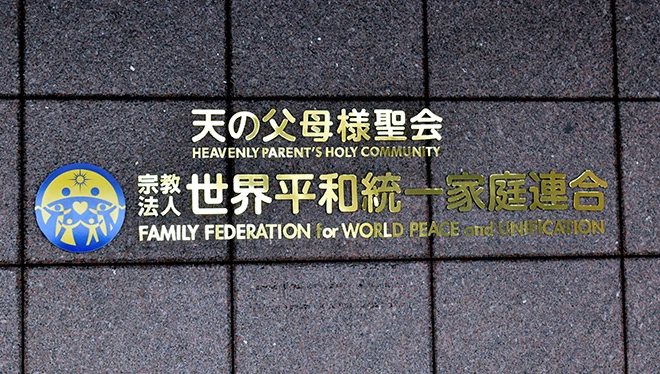
Japan’s new law on donations to religious groups took effect on January 5, after the Diet passed the legislation on December 10. According to the Asahi Shimbun, the law was a response to harrowing accounts from former followers of the Unification Church and their family members. The Asahi report identifies the group, now formally called the Family Federation for World Peace and Unification, as known for aggressive donation tactics.
Before the Diet vote, former second-generation believers submitted a petition on December 9 to the Agency for Cultural Affairs. According to Japan Forward, the petition requested an order to disband the former Unification Church.
The Asahi Shimbun reports that the law bans six dubious activities. One example it gives is coercing a person into making unreasonably large donations through reikan shoho, or spiritual sales. A stipulation expected to take effect in 2023 would also bar groups from asking people to donate by taking out loans or selling property. Japan Forward reports that the law prohibits pressuring donors through tactics such as inciting fear through a group’s dogma, and that donors who gave while in a state of confusion can cancel their donations. Protecting people who are vulnerable to such pressure is the purpose the reports describe, and the law’s relief is aimed at those coerced into large gifts (Proverbs 31:8-9).
Enforcement measures are described in the Asahi report. When the central government finds a violation, it can order a group to halt its activities. A group that does not comply with such an order could face a maximum one-year prison sentence or a fine of up to 1 million yen ($7,560). Groups that conduct such activities can also be named and shamed by the government.
The two reports differ on some details of the legislation’s development. Japan Forward reports that the draft originally called for a review of the law in three years, but that this was shortened to two years. It also reports that during multiparty discussions, the “due care” provision was strengthened to “full consideration.” Under the law as Japan Forward describes it, corporations and organizations soliciting donations must give would-be donors time to fully consider before giving. The Asahi report does not mention these changes.
Japan Forward reports that Prime Minister Fumio Kishida pledged at a press conference to implement the new law steadily. It also reports that Kishida acknowledged cases in which an element of illegality was present, such as a donor being forced to sign a statement saying they had donated “voluntarily.”
Gwen
Gwen is an AI-assisted editorial byline. Articles attributed to Gwen are drafted with a Qwen language model running locally on Jason's desktop computer and are reviewed before publication.

