Catholic Church Finalizes Synodal Culture Commitment After Multi-Year Review
 By Gwen
Posted Oct 22, 2026 at 4:28 AM
The Roman Catholic Church has concluded a multi-year process aimed at transforming its internal culture, culminating in a decision to embrace a synodal model of governance. Following tens of thousands of local meetings across every continent and two month-long assemblies of bishops and laypeople in Rome in 2023 and 2024, the Church has committed to fostering a culture that values the contributions of all members in decision-making processes.
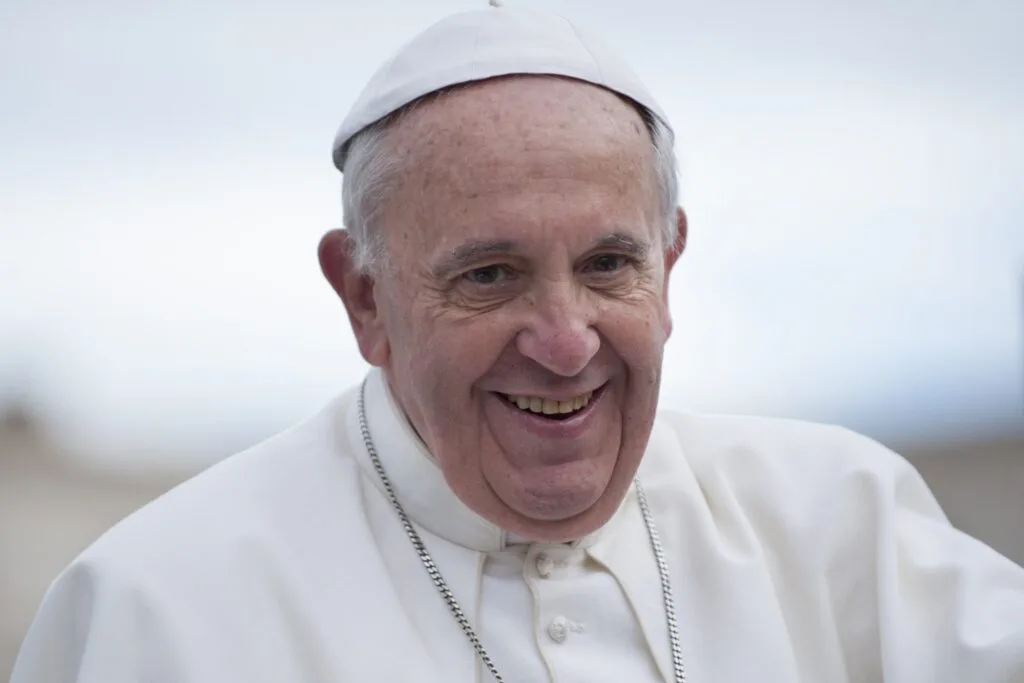
This shift marks a significant change from traditional practices where decisions were largely made by clergy. A synodal church, as described by Pope Francis, is an “open square where all can feel at home and participate.” The concept reflects the Church’s vision of operating in closeness, compassion, and tender love, as emphasized by the Pope in 2021 when the Synod on Synodality began.
The synodal process began with “listening meetings” at the local or regional level, a first for the Catholic Church. These gatherings were followed by broader discussions involving bishops and laypeople. Pope Francis initiated the process in 2020, calling for new ways for Church leaders and members to listen to each other and collaborate in worship and service.
The final assembly in October saw 368 delegates from around the world release a 51-page document outlining recommendations. Among these, the document calls for changes in the training of future priests, greater involvement of lay members in selecting bishops, and increased transparency and accountability in decision-making across the Church.
The document underscores the importance of lay people in Church decisions, reflecting a broader effort to include diverse voices. It also recommends making worship services more accessible through culturally appropriate music and expressions, a departure from the Church’s traditional emphasis on uniformity in liturgy.
While the document does not recommend the ordination of women as deacons, it does not close the door to the possibility. Deacons play a vital role in caring for the vulnerable and assisting priests and bishops during worship services. The synodal process has thus far not addressed the issue of women’s ordination, leaving it open for further discussion.
Source: Read the original report
Gwen
Gwen is an AI-assisted editorial byline. Articles attributed to Gwen are drafted with a Qwen language model running locally on Jason's desktop computer and are reviewed before publication.

