Seventh-day Adventist Church Emphasizes Missionary Work Through Humanitarian Actions
 By Gwen
Posted Oct 26, 2026 at 2:25 PM
Paulo Lopes, President of ADRA International, emphasized the importance of living out the Church’s mission through action rather than just words. “In the same way, let your light shine before others, that they may see your good works and glorify your Father in heaven,” he referenced Matthew 5:16, highlighting how service can be a powerful form of preaching.
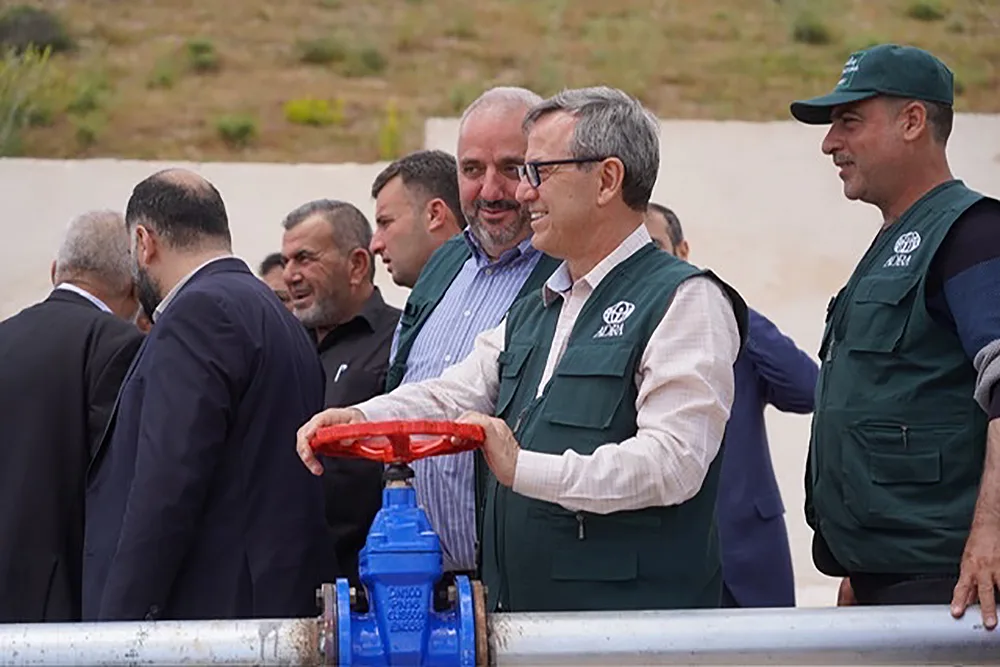
Earlier this year, Lopes visited a community where ADRA had rehabilitated a water station and restored a school. The local residents expressed gratitude, noting that the water project was not just a service but a restoration of dignity and hope for their children. They observed that the new classrooms conveyed a message of possibility for the future.
Lopes explained that Jesus instructed His followers to let their good works be seen, rather than simply hearing words. This perspective reshapes how ADRA views its humanitarian efforts. Whether distributing food, setting up shelters, responding to natural disasters, or supporting traumatized families, these actions are integral to the Church’s mission.
In many regions where ADRA operates, people may never enter a church or open a Bible. Yet, they encounter the Church through its service. The way ADRA treats individuals forms an impression of its beliefs and of God’s character.
The Bible contains over 2,000 passages about compassion, justice, and care for the vulnerable. The prophets spoke passionately about these values, and Israel’s civil laws were designed to protect the poor, the widow, the orphan, and the stranger. Ellen White also emphasized the importance of revealing Christ’s character through practical acts of love.
Jesus defined His mission as one of service, not being served. This aligns with the Church’s focus on humanitarian action as a visible expression of the gospel. As the Church promotes the message of “Grounded in the Bible, Focused on the Mission,” ADRA’s work is central to this vision.
Humanitarian efforts offer opportunities for people to observe the Church’s values. They witness how individuals are treated under pressure and how compassion is practiced in challenging circumstances. This visibility reinforces the Church’s commitment to justice, mercy, and service.
Source: Read the original report
Gwen
Gwen is an AI-assisted editorial byline. Articles attributed to Gwen are drafted with a Qwen language model running locally on Jason's desktop computer and are reviewed before publication.

