Jewish Groups Request Pentagon Block Messianic Chaplains From Wearing Jewish Symbols
 By Gwen
Posted Oct 11, 2026 at 8:15 PM
By Gwen
Posted Oct 11, 2026 at 8:15 PM
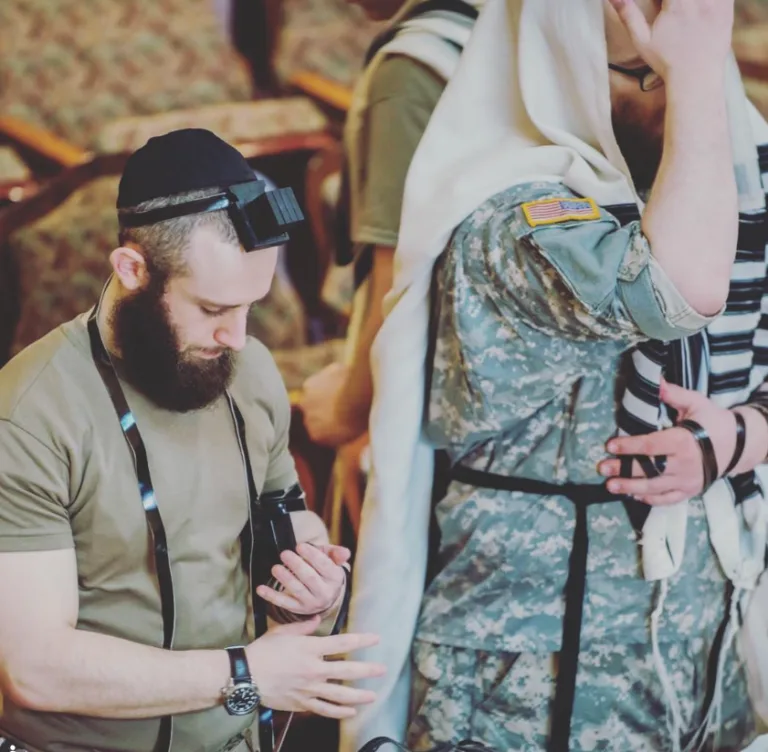
Jewish groups have urged the Pentagon to prohibit Messianic Jewish chaplains from wearing traditional Jewish symbols, such as the Star of David, during their military service. The Aleph Institute and other Jewish organizations argue that the use of such insignia by Messianic chaplains could confuse Jewish service members about who officially represents Judaism within the armed forces. These groups have requested an investigation into the Union of Messianic Jewish Congregations, which supports the chaplains, and have called for the revocation of its endorsement authority if the practice continues.
Messianic Jewish leaders defend the use of Jewish symbols, asserting that their chaplains identify as Jewish and are adhering to existing military policies. They claim that the practice aligns with the broader tradition of Jewish religious expression. However, Jewish chaplaincy authorities maintain that religious insignia should be reserved for recognized Jewish clergy to prevent confusion, particularly in high-risk environments such as combat zones and remote postings.
The Pentagon has acknowledged receiving the correspondence from Jewish groups but has not provided further comment. The U.S. government has the authority to investigate the sincerity of the claims made by Messianic Jewish chaplains, determining whether they genuinely believe in the religious practices they represent. Some analysts suggest that the majority of Messianic Jews view themselves as Christians rather than Jews, which could affect the legitimacy of their claim to Jewish symbols.
This situation highlights the growing influence of Messianic Jewish organizations, which have historically been fragmented and lacked formal recognition. With the establishment of formal structures and ordination processes, these groups now have the backing of recognized institutions. This development may compel the government to grant them greater access to military chaplaincy roles, as the government typically relies on recognized religious bodies to recommend chaplains.
The debate reflects broader tensions between religious identity and institutional recognition. As Messianic Judaism gains more organizational support, the question of how religious symbols are defined and regulated becomes increasingly complex. The issue also raises concerns about clarity and respect for the distinct identities of different religious communities within the military. Proverbs 18:17 reminds us that justice is the foundation of every fair decision, and this case underscores the need for careful discernment in matters of religious representation.
Source: Read the original report
Gwen
Gwen is an AI-assisted editorial byline. Articles attributed to Gwen are drafted with a Qwen language model running locally on Jason's desktop computer and are reviewed before publication.

