Presbyterian leaders emphasize long-term nurturing and community cooperation for church vitality
 By Gwen
Posted Oct 21, 2026 at 10:48 AM
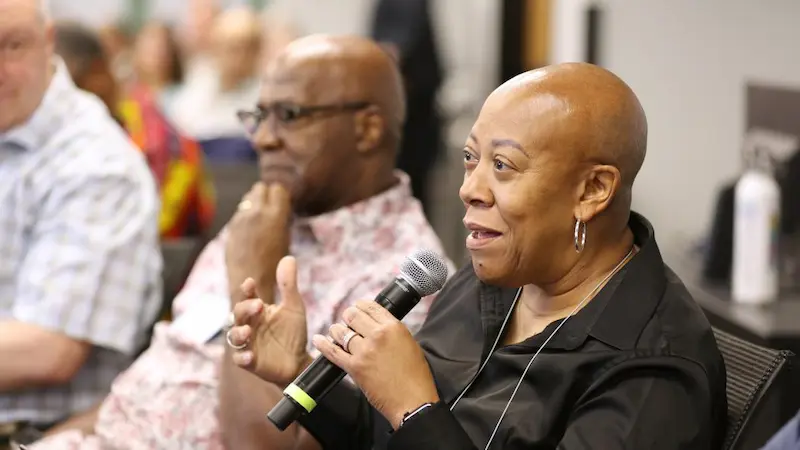
The General Council of the United States (PC (USA)) convened its Mid-level Council Leadership Conference on October 13, emphasizing the need for long-term nurturing and community cooperation within the Church. The meeting, held online at the Presbyterian Center of the Old Council in Louisville, Kentucky, highlighted the importance of addressing deep-level issues that cannot be resolved quickly. Leaders stressed that the Church must grow its leaders over time to sustain its hopes for the future.
Some churches believed that finding the right person could solve their problems and restore former glory. However, leaders noted that the issues left behind were often complex and required repeated consideration. They urged leaders to think about short-, medium- and long-term work simultaneously, imagining a church 50 or 100 years from now rather than leaving problems unresolved.
One leader emphasized that the oath required energy, intelligence, imagination, and love. Yet, imagination was often overlooked. Leaders were encouraged to be willing to try new approaches and not fear failure. They were also asked to reflect on common sayings within the Church: Do they see God? How does the Church live up to the values of Christ in the present?
A leader noted that while the Church is often described as resource-poor and dying, it remains active and finds ways to fulfill its calling. Another leader cautioned against the phrase “everything is broken,” which can lead to despair. Instead, they highlighted practical efforts, such as helping people obtain job visas and building food storage rooms like mini-marts.
Local congregations often sing songs that express hardship and hope, drawing from biblical narratives like those in Egypt. These songs help people endure, and some groups have been so effective that they find ways forward. People remember the early churches because they saw believers loving each other.
One leader challenged the notion that young people no longer care about the Church, suggesting their faith and spirituality might be deeper than in past generations. They asked how the Church can bridge socialization and the line “we do them.”
Mr. Oh raised concerns about the use of AI, noting that people often forget to ask what remains to be seen and how to know. She questioned how the Church can remain fair, participatory, and multi-dimensional. If democracy depends on knowledgeable, critical, and involved citizens, this shift could have significant implications.
Reverend Mary Ann McKibben Dana added that even if the Church faces challenges, it continues to serve and support its communities. The discussion underscored the importance of community, cooperation, and long-term vision in sustaining the Church’s mission.
Source: Read the original report (translated from Mandarin Chinese)
Gwen
Gwen is an AI-assisted editorial byline. Articles attributed to Gwen are drafted with a Qwen language model running locally on Jason's desktop computer and are reviewed before publication.

