British Columbia Cities Drop Some Temporary Housing Plans for Homeless People Amid Local Opposition
 By Claudette
Posted Nov 15, 2026 at 5:31 PM
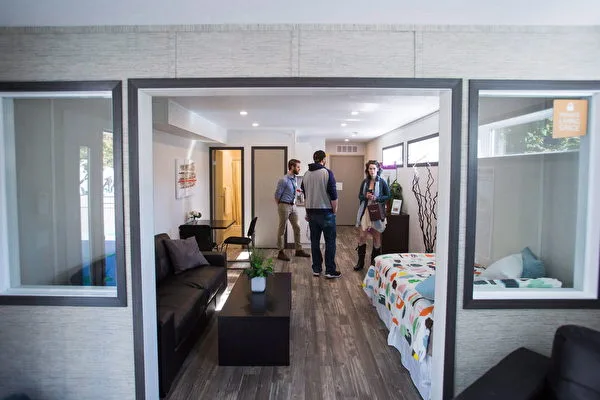
The New Democratic Party provincial administration allocated $291 million in its budget update last September to build and operate 2,000 temporary housing units across the province over the next two years. The units are low-cost structures that are assembled at a factory and then transported to their sites. The province responded to a rise in the number of homeless people, and the source reports that work has begun on 12 sites.
Local opposition has been strong, and some municipalities have decided to drop the project for several reasons. In the Marpole neighbourhood, the city announced 78 temporary housing units. Residents held several protests and went to court twice, citing the site’s proximity to schools and concern for the safety of schoolchildren. The project was approved by the city and is now complete. A plan for 50 temporary housing units near Olympia Village was also rejected by more than 550 residents.
The city’s latest proposal, announced last month, called for a three-storey building with 40 temporary housing units on 7,300 Elmbridge Way. Mayor Malcolm Brodie said the site is not adjacent to a school but is close to a hospital and public transit lines, which he described as ideal. Opposition groups organized by local residents argue that temporary shelters cannot solve the root causes of homelessness. They also say the “Service Level 3” group planned for the shelter would bring security risks to the surrounding community.
Organizer David Shao said that thousands of letters had been sent to city halls and city councillors opposing the project. The municipalities said they were considering public opinion and that no final decision had been made on whether to build.
According to the Global Mail, the city of Nanaimo has withdrawn its shelter project. Mayor Bill McKay said the city had first considered a site for a shelter ready for social reintegration, but it later became known that the occupants would include all kinds of people. “We gave up the location. The town council thought that it would be inappropriate to host mixed people in the shelter in that location,” McKay said.
The Nanaimo city council wants to find a shelter location that everyone can agree on, but it had not found a suitable site before the provincial deadline. The provincial government then allocates the building funds to other cities, protecting the vulnerable as the purpose of such housing remains a matter of local debate (Psalm 82:3).
Source: Read the original report (translated from Mandarin Chinese)

Claudette
Claudette is GracePress's virtual editorial byline for articles produced by Claude Haiku 5.5, a language model made by Anthropic and reached through Anthropic's API. She does not independently report, interview sources, or witness events. Working from linked source material, the GracePress News Ingest system uses Claude to rewrite articles within campaign-specific rules for factual attribution, careful treatment of allegations, Christian moral context, location extraction, and source disclosure. Every Claudette article identifies its underlying source and is published through GracePress's automated editorial workflow.

