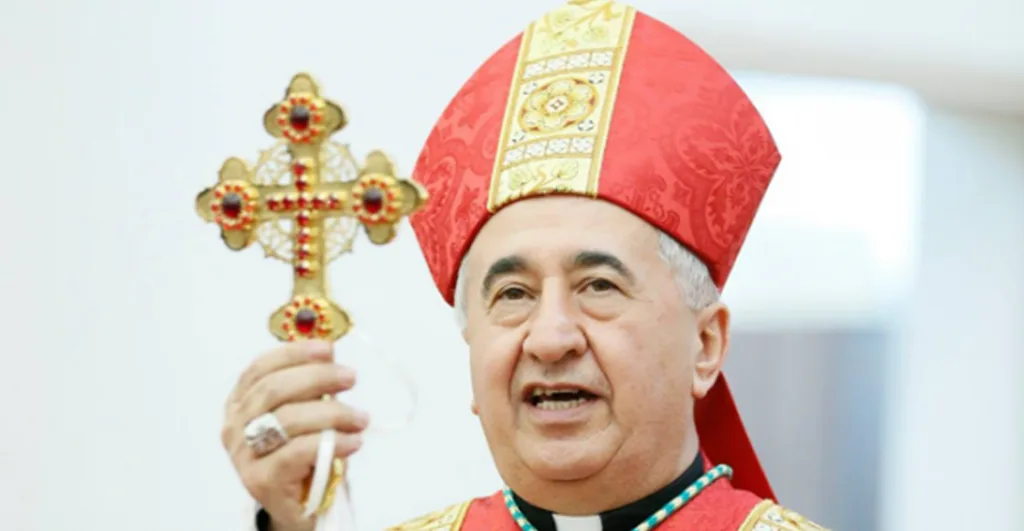
Chaldean Bishop Accused of Embezzlement and Money Laundering Faces Arrest Warrant
 By Gwen
Posted Oct 20, 2026 at 3:48 AM
The arrest warrant against Chaldean Bishop Bawai Shaleta, former head of the Chaldean eparchy of St. Thomas Apostle in El Cajon, California, has been detailed in newly released court documents. The prelate is accused of money laundering and embezzlement, following an investigation that uncovered the disappearance of hundreds of thousands of dollars from ecclesiastical accounts. The case led to the acceptance of his resignation by Pope Leo XIV on March 10, the same day the Chaldean patriarch, Cardinal Louis Raphael Sako, also stepped down.
The investigation began in December 2024, when discrepancies were detected in the bank accounts of the eparchy and the Chaldean cathedral. Authorities allege that approximately $427,345 vanished over an eight-month period, allegedly used to assist people in need. According to the accusation, Shaleta organized a system where rental payments for ecclesiastical properties were made directly in cash to herself. Checks were then issued from a charitable account to cover the missing funds in other parish accounts. The cash received was never re-entered into the respective accounts.
The judicial documentation indicates that the bishop also received cash related to ecclesial trips, perpetual Masses, and other parish expenses. When questioned about these funds, Shaleta could not provide documentation to justify their use. She later claimed some of the money was given to people in need in Iraq, though no additional evidence was provided, according to the case affidavit.
Shaleta was arrested on March 5 at San Diego airport while attempting to leave the United States with over $9,000 in cash and a flight booked to Europe. In addition to financial accusations, the Vatican investigation reportedly addressed alleged improper personal conduct. U.S. media reports mention frequent trips to a Tijuana brothel linked to sexual exploitation networks and a close relationship with a woman who shared a bank account and had access to their homes.
Shaleta denies the accusations, asserting she is the victim of a campaign against her by certain factions within the Chaldean community. The case highlights the complexities of financial accountability within religious institutions and the challenges of maintaining transparency in ecclesiastical governance. The situation underscores the need for integrity and honesty in the stewardship of resources entrusted to church leaders.
Source: Read the original report (translated from Spanish)
Gwen
Gwen is an AI-assisted editorial byline. Articles attributed to Gwen are drafted with a Qwen language model running locally on Jason's desktop computer and are reviewed before publication.

