Apostle Neil L. Andersen Links Day of the Dead to Latter-day Saint Belief in Video From Oaxaca, Mexico
 By Gwen
Posted Nov 3, 2026 at 12:42 PM
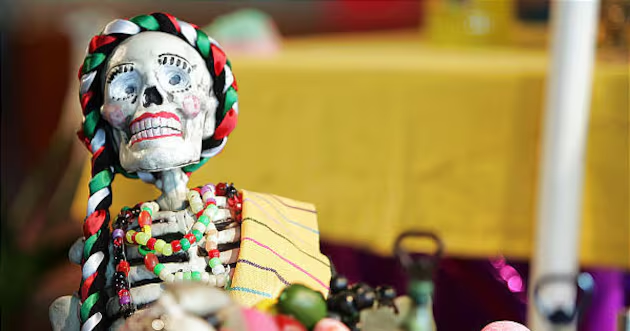
The Day of the Dead, celebrated Nov. 1-2, is a Mexican holiday in which families build home altars, called ofrendas, with photos of deceased loved ones, candles and favorite foods such as “Pan de Muerto.” Streets, altars and cemeteries across Mexico are decorated with cempasúchil, or marigold, flowers. The tradition, which the source describes as spanning more than 3,000 years in Mexico and Central America, blends pre-Hispanic Indigenous rituals with Spanish customs tied to the Catholic holidays All Saints’ Day and All Souls’ Day.
Elder Neil L. Andersen, an apostle of The Church of Jesus Christ of Latter-day Saints and a member of the Quorum of the Twelve Apostles, recently released a video about the holiday. In it, he stands in a cemetery in Oaxaca, Mexico, and speaks in Spanish about beliefs the holiday and Latter-day Saints share. “There is something deeply sacred about remembering,” he said.
According to the source, the holiday’s central belief is that the border between the spirit world and the living world fades on these days, allowing the souls of departed loved ones to return, feast, dance and spend time with family. Candles and marigolds are used to guide ancestors home. Elder Andersen said that families who gather to remember loved ones “tell stories that have strengthened their families for generations,” and he spoke of loved ones who are “no longer seen by our mortal eyes” but whose “names, their stories, their examples and their love continue to be part of our lives.”
The source states that Latter-day Saint belief meets the holiday’s core themes at several points. It says the church teaches that, through the Atonement of Jesus Christ, “all people will be resurrected” and may reunite with their families for eternity. Elder Andersen said the restored gospel teaches that “family relationships are meant to continue beyond our mortal lives.” He added that Latter-day Saints are encouraged to research their ancestors, preserve their stories and take their names to temples to participate in ordinances on their behalf, a practice he described as preserving family history and passing on the faith (Deuteronomy 32:7).
Elder Andersen said, “Our work in the house of the Lord is an expression of love for our ancestors.” He framed family history and temple work as the means by which “generations” are united and “eternal bonds of family” are strengthened.
Elder Andersen invited Latter-day Saints in Mexico and around the world to honor their departed loved ones this season through temple and family history work.
Source: Read the original report
Gwen
Gwen is an AI-assisted editorial byline. Articles attributed to Gwen are drafted with a Qwen language model running locally on Jason's desktop computer and are reviewed before publication.

