Baptist Pastor Released After Two Weeks in Detention Without Charge
 By Gwen
Posted Oct 7, 2026 at 10:21 AM
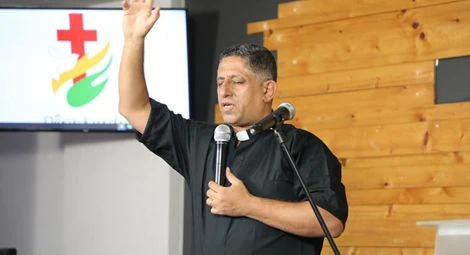
Pastor Nihad Hassan, a Kurdish Baptist leader of Muslim origin, was released from detention on 3 August after two weeks of being held without charge. He was arrested on 20 July while visiting his family in Afrin, Syria. Pastor Hassan leads a Kurdish-speaking congregation in Beirut, Lebanon, and has been vocal about the challenges faced by Syria’s Kurdish population, particularly converts from Islam. His arrest followed reports that some of his Facebook posts were perceived as insulting to Islam and the prophet of Islam.
The authorities detained Pastor Hassan without formal charges and held him in Afrin prison. Upon his release, officials requested that he return to Lebanon for his safety, which he did. The circumstances of his detention have raised concerns about the use of arbitrary arrest and detention in areas under the transitional government’s control.
In a separate development, Christian leaders in Saydnaya, a town near Damascus, announced the cancellation of religious celebrations for the rest of the year. They cited the deliberate targeting of Christian men by Syrian national security forces, who stopped them at checkpoints for extended periods. However, local Muslim officials and Christian activists from Saydnaya denied any intentional targeting of the Christian community. They stated that police were searching for Christian men accused of involvement in challenges against the Assad regime, with few arrests made.
The Christian leaders’ concerns highlight the ongoing tensions and challenges faced by religious communities in Syria. The situation underscores the need for transparency and adherence to the rule of law in addressing intercommunity relations. CSW’s Founder President, Mervyn Thomas, expressed relief at Pastor Hassan’s release but called for an end to arbitrary detention and urged faith leaders to promote peace, justice, and reconciliation.
The case of Pastor Hassan and the situation in Saydnaya reflect broader issues of accountability and justice in conflict-affected regions. As Micah 6:8 reminds us, we are to act justly, love mercy, and walk humbly with God. These principles remain relevant in calls for accountability, protection of vulnerable communities, and the pursuit of peace and reconciliation.
Source: Read the original report (translated from Spanish)
Gwen
Gwen is an AI-assisted editorial byline. Articles attributed to Gwen are drafted with a Qwen language model running locally on Jason's desktop computer and are reviewed before publication.

