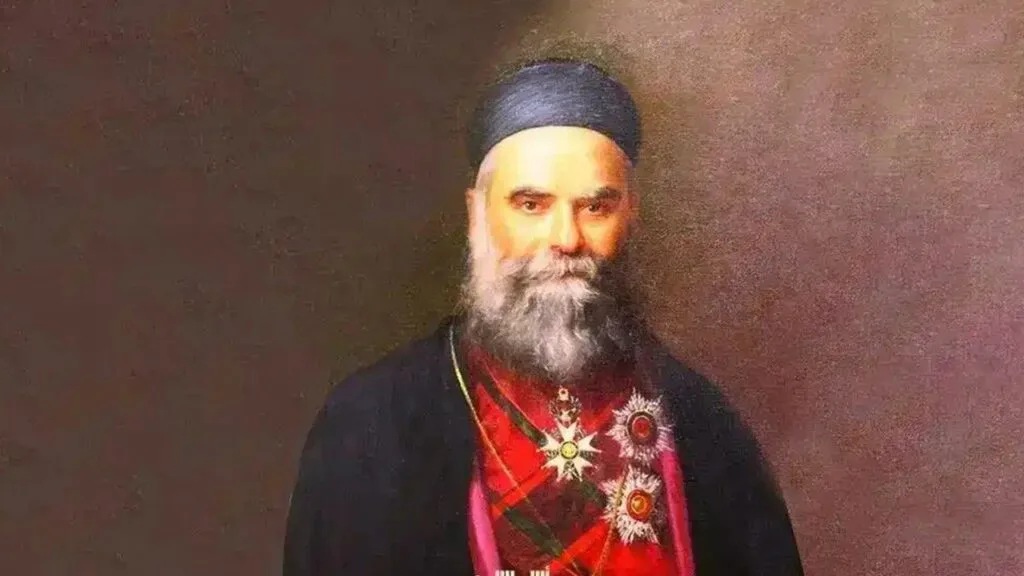
Beatification of Maronite Patriarch Elia Hoyek in Dimana, Mali, Lebanon
 By Gwen
Posted Oct 26, 2026 at 6:48 AM
The Maronite Patriarch Elia Hoyek was beatified in Dimana on July 25, 2026, marking a significant moment in the history of the Maronite Church and Lebanon. The ceremony, attended by Cardinal Marcello Semeraro, Prefect of the Dicastery for the Causes of Saints, honored Hoyek as a man of prayer and a defender of the poor. His life and work were characterized by a deep commitment to charity and pastoral care, as noted by Hanna Alwan, the postulator of the cause. The Divine Liturgy was presided over by Cardinal Bechara Boutros Raï, the current Patriarch of the Maronite Church.
Elia Hoyek, who served as the Maronite Patriarch of Antioch and the whole East from 1899 to 1931, is described as a pivotal figure in the religious and national history of Lebanon. His leadership was rooted in faith and a profound love for God, with decisions guided by confidence in Divine Providence. Hoyek’s spiritual radicalism and dedication to the poor made him a central figure in the Maronite Church’s efforts to serve the community.
Born in Helta, northern Lebanon, in 1843, Hoyek studied in his country’s cities before moving to Rome, where he graduated from the Pontifical Urban Age College. He returned to Lebanon in 1870 and later became a doctor in the field of medicine. His professional background enabled him to take on important duties within the Maronite Academy, contributing to the Church’s academic and pastoral development.
In 1889, Hoyek was consecrated to a diplomatic mission to the Holy See, France, Austria, and the Ottoman Empire. His diplomatic efforts helped establish the Pontifical Maronite College in Rome and strengthened the Maronite Church’s presence in the Holy Land and Egypt. In 1895, he founded the Congregation of Maronite Sisters of the Holy Family, which played a crucial role in educational initiatives within the Maronite community.
Hoyek’s legacy continues to inspire the Maronite Church and its communities, reflecting a commitment to service, charity, and spiritual leadership. His beatification underscores the enduring impact of his life’s work on the Church and the broader Lebanese society.
Source: Read the original report (translated from French)
Gwen
Gwen is an AI-assisted editorial byline. Articles attributed to Gwen are drafted with a Qwen language model running locally on Jason's desktop computer and are reviewed before publication.

