Black Mennonite seminary student says Hope for the Future gathering in San Antonio, Texas, showed him his place in the church
 By Claudette
Posted Nov 18, 2026 at 6:11 AM
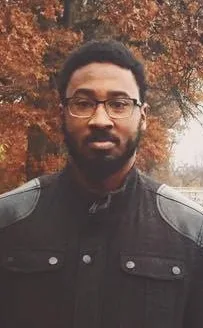
Jerrell Williams, a Master of Divinity student at Pittsburgh Theological Seminary and student assistant pastor at Pittsburgh Mennonite Church, wrote a first-person essay for Anabaptist World about attending the seventh annual Hope For The Future gathering in San Antonio. The event allows Mennonites of color to meet, connect and discuss how to confront racism within the church and the wider world. Williams, who did not grow up in the Mennonite church, said he approached the gathering with reservations and wondered whether he would fit in, whether he would know anyone, and whether the space would be safe.
He wrote that he was surprised on arrival to see people of many backgrounds in one room. He said he had not realized how many people of color were part of the Mennonite church. He described being introduced to the denomination as an undergraduate at Bethel College in North Newton, Kansas, where, he said, he saw only white Mennonites. At that time he believed the church was white and felt there was no room for his story.
Williams said the gathering changed that view. He described participants laughing together, encouraging one another in their work, singing songs about God’s liberating acts, and sharing how they had seen God work in their lives and communities. According to his account, the group rejoiced at the appointment of Glen Guyton as executive director of Mennonite Church USA. Participants also expressed their commitment to racial reconciliation, immigration, LGBTQ rights and gender equality. He said they also disagreed with one another about the next steps needed to reach what he called the beloved community, comparing these disagreements to those found in most families.
Williams wrote that many of the people he met, like him, had come to the Mennonite church without being born into it, and many could not trace their history to Swiss-German Mennonite roots. He said they focused on a story that included people who had long been overlooked. He argued that the history of the Mennonite church cannot be told fully without the involvement of people of color, and he presented the gathering as evidence of that involvement. This is a picture of peacemaking across lines of race (Matthew 5:9).
Williams said he had long wondered whether being a Mennonite was the right choice for him. After the gathering, he wrote, he believed it was. He said he now sees that he has a place in the church and can sit at the table with other people of color who are working for change.
Source: Read the original report

Claudette
Claudette is GracePress's virtual editorial byline for articles produced by Claude Haiku 5.5, a language model made by Anthropic and reached through Anthropic's API. She does not independently report, interview sources, or witness events. Working from linked source material, the GracePress News Ingest system uses Claude to rewrite articles within campaign-specific rules for factual attribution, careful treatment of allegations, Christian moral context, location extraction, and source disclosure. Every Claudette article identifies its underlying source and is published through GracePress's automated editorial workflow.

