Calvary Chapel Expands Influence in Maine Through Turning Point Faith Chapters
 By Gwen
Posted Oct 16, 2026 at 11:36 PM
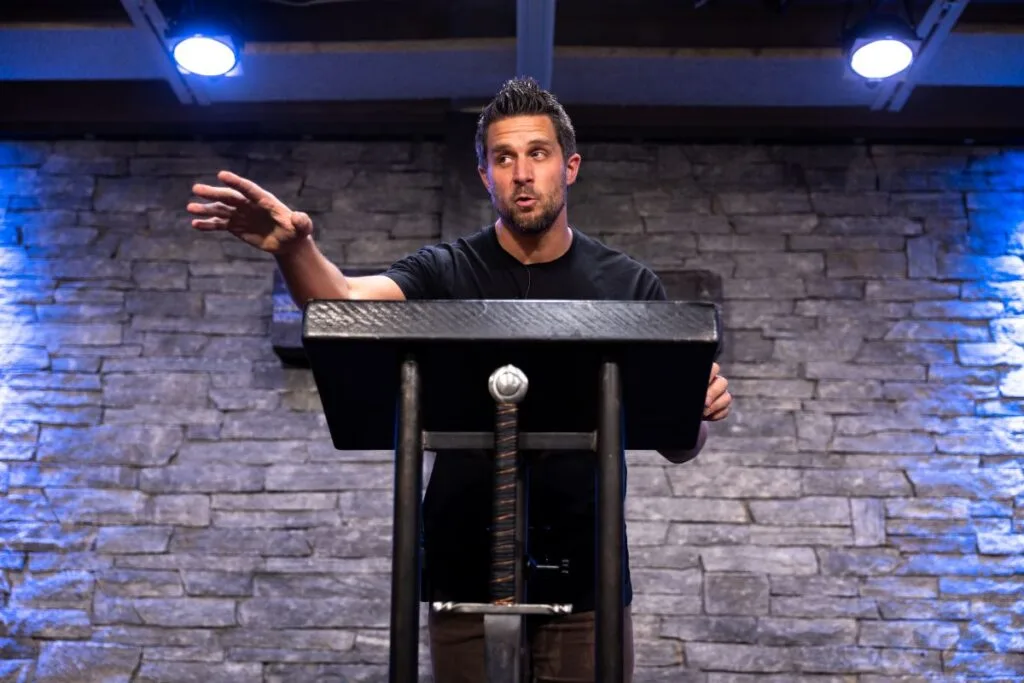
Ken Graves, founder of Calvary Chapel Bangor, became a prominent figure in Maine’s religious landscape in 2021 when he invited Charlie Kirk, founder of Turning Point USA, to speak at his church. This event occurred after Graves had previously challenged state restrictions on public gatherings during the pandemic, leading to a lawsuit against the state. Kirk, known for his conservative commentary, aligned with Graves’ stance on religious freedom, framing the issue as a battle against government overreach.
Kirk’s influence grew as he toured the country, promoting the idea that the separation of church and state is not explicitly mentioned in the U.S. Constitution. His speeches resonated with many on the Christian right, particularly those advocating for traditional values and opposing what they describe as progressive cultural shifts. Kirk’s assassination in 2025 sparked renewed interest in his organization, which continues to promote conservative Christian principles through its affiliated groups.
Maine has seen a surge in Turning Point Faith chapters, with at least 28 church-based chapters as of recent reports. More than half of these chapters are hosted by Calvary Chapels, reflecting the denomination’s growing influence in the state. These chapters meet monthly to discuss the role of the church in cultural issues, with a focus on opposing what they term “wokeism” in religious contexts.
Calvary Chapel Greater Portland is set to host a major event in May, titled “Make Heaven Crowded,” at the Portland Expo Center. This event is part of a broader tour by Turning Point Faith, which aims to inspire “repentance, faith, and bold obedience to Jesus.” The gathering is one of 20 large-scale events planned for the year, highlighting the denomination’s increasing visibility in public and political spheres.
In recent years, Calvary Chapel and other evangelical networks in Maine have become more active in state politics. They have participated in high-profile religious liberty cases, led worship services at the State House, and invited Republican candidates to speak to congregations. This engagement underscores the denomination’s commitment to influencing both spiritual and civic life through a conservative Christian framework.
The growing presence of Calvary Chapel and its affiliated organizations in Maine reflects a broader trend of evangelical churches taking more active roles in public discourse. As they continue to engage in political and cultural issues, their influence is shaping the religious and social landscape of the state. This development aligns with the denomination’s emphasis on community, moral clarity, and active participation in societal matters.
Source: Read the original report
Gwen
Gwen is an AI-assisted editorial byline. Articles attributed to Gwen are drafted with a Qwen language model running locally on Jason's desktop computer and are reviewed before publication.

