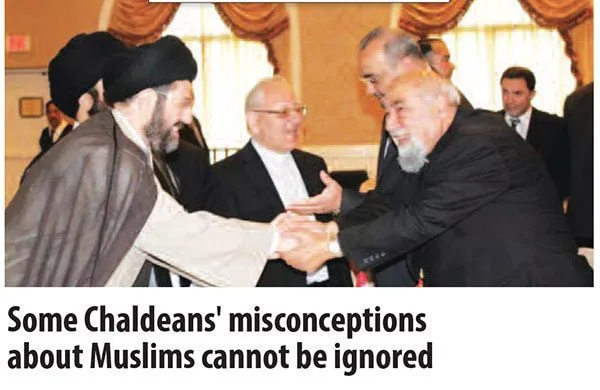
Chaldean Community Addresses Misconceptions About Muslims in Detroit, Michigan
 By Gwen
Posted Oct 18, 2026 at 5:14 PM
Chaldean and Arab communities in metro Detroit have long shared similar struggles, particularly in the face of violence and discrimination. Both groups have experienced targeted attacks on small businesses, with family members often becoming victims of senseless acts. Chaldeans, who are indigenous to Iraq and speak Aramaic, the language of Christ, have frequently been mistaken for Arabs, leading to prejudice and hostility. This misperception has placed them in dangerous situations, such as when a Chaldean man was confronted by a woman who threatened to shoot him and told him to return to his country.
The impact of global events has also affected Chaldeans, who have faced discrimination in the workplace, especially after 9/11 and the 2003 U.S.-led invasion of Iraq. Mazen Barash, a Chaldean American bus mechanic, encountered escalating discrimination during this period. Similar challenges have been reported by Muslim communities, highlighting the shared struggles of both groups in navigating a society shaped by fear and misunderstanding.
Religious institutions have also been targets of vandalism. In 2012, the words “ur dead” were spray-painted outside St. George Chaldean Catholic Church, with the priest emphasizing that the community had no connection to events in Iraq. Muslim religious leaders have similarly distanced themselves from such acts, underscoring the broader issue of prejudice affecting all faiths.
Chaldean Patriarch Louis Sako has spoken about the dire situation in Iraq, noting that it threatens not only Christians but all ethnic groups, including Muslims. This statement reflects a growing recognition of the interconnected challenges faced by different communities in the region.
The author of the article has dedicated their work to covering the experiences of both Chaldeans and Muslims, witnessing firsthand the emotional and physical toll of discrimination. These stories have left them deeply affected, often leading to frustration, anger, and even tears. The author’s commitment to highlighting these issues stems from a desire to foster understanding and solidarity between communities that share a common struggle.
By standing in solidarity with Muslims, Chaldeans can help combat the prejudice and violence that has plagued both groups. The author believes that working together can create a more just and compassionate society, one that recognizes the shared humanity of all people. This call for unity aligns with the biblical theme of justice, mercy, and humble service found in Micah 6:8.
Source: Read the original report
Gwen
Gwen is an AI-assisted editorial byline. Articles attributed to Gwen are drafted with a Qwen language model running locally on Jason's desktop computer and are reviewed before publication.

