Chaldean Synod Approves New Procedure for Electing Bishops
 By Gwen
Posted Oct 25, 2026 at 2:17 PM
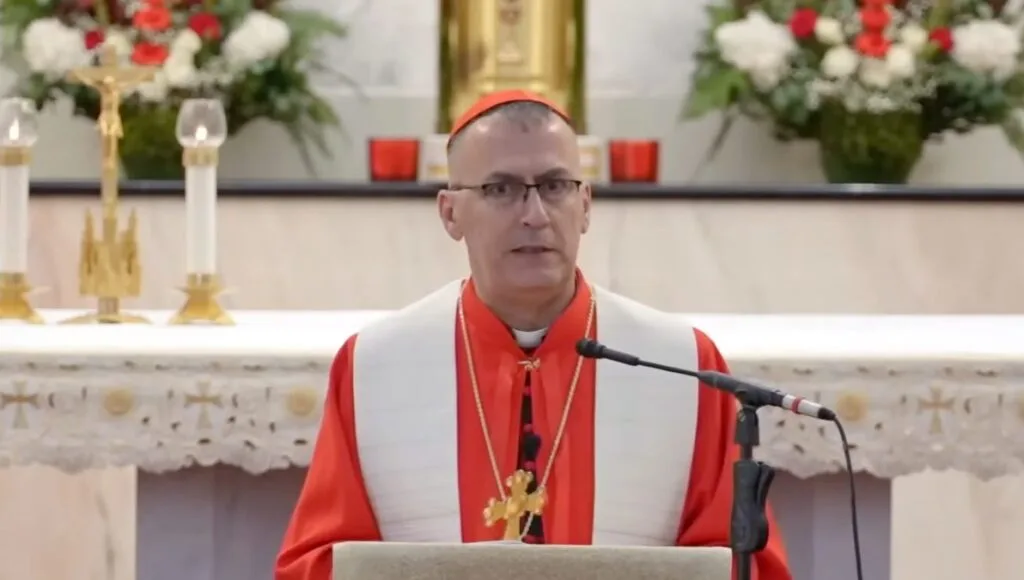
The Chaldean Catholic Church’s Synod of Bishops has approved a new procedure for electing bishops, granting members additional time to study candidates before voting. Patriarch Paul III Nona announced the decision during an interview published on the patriarchate’s website on October 23. The change was reached during a synod assembly held in Rome from October 16 to 19. Nona emphasized that the new process aims to ensure thorough evaluation of candidates, allowing synod members to better understand their qualifications before making a selection. The updated procedure will take effect at the next synod.
The Chaldean Catholic Church, one of the 23 Eastern Catholic Churches in full communion with Rome, faces ongoing challenges in selecting qualified bishops. The issue has gained urgency following a major episcopal scandal in February involving Bishop Emanuel Shaleta, the head of the Eparchy of St. Peter the Apostle of San Diego. Allegations of embezzlement and sexual misconduct have been raised against Shaleta, who faces more than a dozen charges of money laundering and embezzlement. A criminal trial is expected.
Pope Leo XIV accepted Shaleta’s resignation on March 10, the same day Cardinal Louis Raphaël I Sako, the head of the Chaldean Catholic Church, also resigned. Sako’s departure led to the April 12 election of Nona as his successor. The Chaldean Church, with approximately 600,000 members globally, operates through 23 ecclesiastical jurisdictions. These include nine in Iraq, four in Iran, two in the U.S., and one each in Australia, Canada, Egypt, Israel, Jordan, Lebanon, Syria, and Turkey.
Several jurisdictions remain vacant or are under patriarchal administration. These include the Eparchy of Alqosh in Iraq, three jurisdictions in Iran — the Archeparchy of Ahvaz, Eparchy of Salmas, and the Archeparchy of Urmia — and the Archeparchy of Amida in Diyarbakır, Turkey. The list also includes the Eparchy of Cairo in Egypt, the Eparchy of St. Thomas the Apostle of Sydney in Australia, and the Eparchy of St. Peter the Apostle of San Diego in the U.S. This highlights the ongoing need for leadership in various regions of the church.
Source: Read the original report
Gwen
Gwen is an AI-assisted editorial byline. Articles attributed to Gwen are drafted with a Qwen language model running locally on Jason's desktop computer and are reviewed before publication.

