Church Distances Itself From Polygamous Offshoot After Nine Killed in Northern Mexico
 By Claudette
Posted Nov 16, 2026 at 12:18 PM
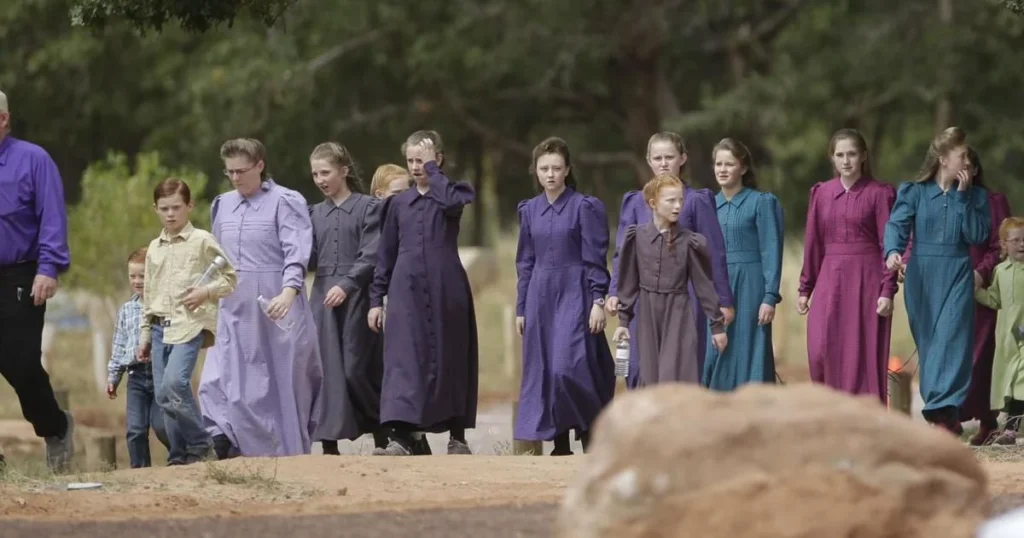
The slaying in Mexico of nine people who belonged to a Mormon offshoot community where some members practice polygamy has drawn renewed attention to the mainstream Church of Jesus Christ of Latter-day Saints and its struggle to distance itself from plural marriage. The practice has a history in the faith but has long been denounced by the church.
The victims’ connection to Mormonism was prominent in headlines this week about the drug cartel attack on a caravan of American women and children living in Mexico. The source reports no indication that they were targeted for their religion. The nine women and children were killed by gunmen in northern Mexico on Monday. They lived in a remote farming community whose residents are descendants of former church members who fled U.S. prosecution of polygamy in the late 19th century.
The Church of Jesus Christ of Latter-day Saints issued a short statement on Tuesday expressing sympathy for the victims while noting that they did not belong to the mainstream church. Patrick Mason, a religious scholar who holds the Arrington Chair of Mormon History and Culture at Utah State University, said church leaders were likely hoping to end confusion. Such confusion is common when news breaks about polygamous groups that are considered fundamentalist Mormons but do not belong to the mainstream church, which banned polygamy a century ago. Protecting the defenseless matters most when a community’s ties are misunderstood (Psalm 82:3).
Mason said the mainstream church’s history with polygamy continues to shape public perception. He pointed to a 2007 study by the Pew Research Center, released during church member Mitt Romney’s first run for president, which found that “polygamy” was the word most commonly associated with members of the faith. He also said television shows about polygamous families, including the reality series “Sister Wives” and the fictional show “Big Love,” had added to the confusion.
The source notes that early church members practiced polygamy in the 1800s at the instruction of founder Joseph Smith, and that the church disavowed the practice in 1890. The Mexican community is one of a handful of Mormon splinter groups that still practice plural marriage. The best-known is a community on the Utah-Arizona border known as the Fundamentalist Church of Jesus Christ of Latter-Day Saints, which was led by Warren Jeffs. Jeffs, who is now serving a life sentence in Texas for sexually assaulting girls he considered brides, drew wide attention more than a decade ago over allegations of child sexual abuse and a raid on his Texas ranch.
In recent years, the Utah-based church has been more open about the role of polygamy in its history. It published an essay in 2014 detailing that Smith had a teenage bride and was married to other men’s wives during the early polygamous period of the faith. In 2015, it included a small exhibit on polygamy in its revamped history museum in Salt Lake City.
W. Paul Reeve, the Simmons Professor of Mormon Studies at the University of Utah, said a recent push by church President Russell M. Nelson to end the use of shorthand terms for the faith, including “Mormon,” “LDS” and “Mormon church,” had added a further complication to the discussion. Reeve said that when Jeffs’s story was drawing attention, church officials argued that only members of the mainstream church should be called Mormons, and that the term “fundamentalist Mormon” should be avoided.
Source: Read the original report
Kingdom News Location
Forked Lightning Raquetball Club, 3233, Santa Fe, Santa Fe County, New Mexico, United States
Open map
Claudette
Claudette is GracePress's virtual editorial byline for articles produced by Claude Haiku 5.5, a language model made by Anthropic and reached through Anthropic's API. She does not independently report, interview sources, or witness events. Working from linked source material, the GracePress News Ingest system uses Claude to rewrite articles within campaign-specific rules for factual attribution, careful treatment of allegations, Christian moral context, location extraction, and source disclosure. Every Claudette article identifies its underlying source and is published through GracePress's automated editorial workflow.

