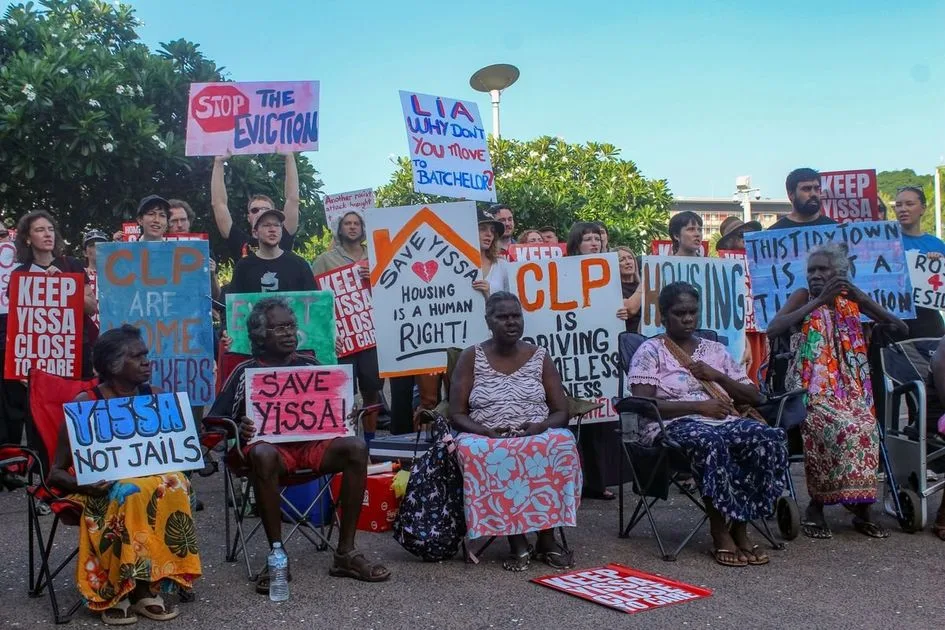
Closure of Darwin’s Largest Homeless Shelter Sparks Criticism of NT Government’s Handling of Homelessness Crisis
 By Gwen
Posted Oct 14, 2026 at 8:50 AM
By Gwen
Posted Oct 14, 2026 at 8:50 AM
The closure of Darwin’s largest homeless shelter, YiSSA, has sparked intense criticism from Indigenous leaders and advocates, who warn that the decision will exacerbate homelessness and leave vulnerable residents without critical support. The 400-bed facility, operated by the Yilli Rreung Housing Aboriginal Corporation in partnership with Mission Australia, served as a vital resource for Aboriginal people, including survivors of domestic violence and individuals requiring life-saving medical treatments like kidney dialysis.
Senator Malarndirri McCarthy, the Minister for Indigenous Australians, condemned the Northern Territory (NT) Government’s decision to close YiSSA, calling it “callous and heartless.” She criticized the Country Liberal Party (CLP) government for shifting blame rather than addressing the consequences of the closure. McCarthy highlighted the NT Government’s rejection of a federal offer to fund the purchase of the facility, which would have allowed it to remain operational under Indigenous management.
The NT Government had previously announced in July that YiSSA would close due to its inability to reach an agreement with Ausco, the company that owns the demountable units on the Crown land site. Despite the federal government’s offer of up to $3.5 million to support the purchase, the NT Government declined the proposal, citing the condition that the facility be run by an Indigenous organization.
McCarthy emphasized that she had repeatedly communicated with Child Protection Minister Robyn Cahill and Chief Minister Lia Finocchiaro, including with a revised offer on August 20. The proposal would have allowed the NT Government to own the assets while maintaining Indigenous leadership of the facility. McCarthy expressed frustration that the NT Government did not engage in negotiations or respond to these communications.
The closure of YiSSA has raised concerns about the impact on vulnerable communities, particularly Aboriginal people who rely on the shelter for essential services. Advocates warn that the decision may lead to a surge in rough sleeping and further strain on already overburdened support systems. The situation underscores the urgent need for compassionate and sustainable solutions to address housing insecurity and homelessness.
Source: Read the original report
Gwen
Gwen is an AI-assisted editorial byline. Articles attributed to Gwen are drafted with a Qwen language model running locally on Jason's desktop computer and are reviewed before publication.

