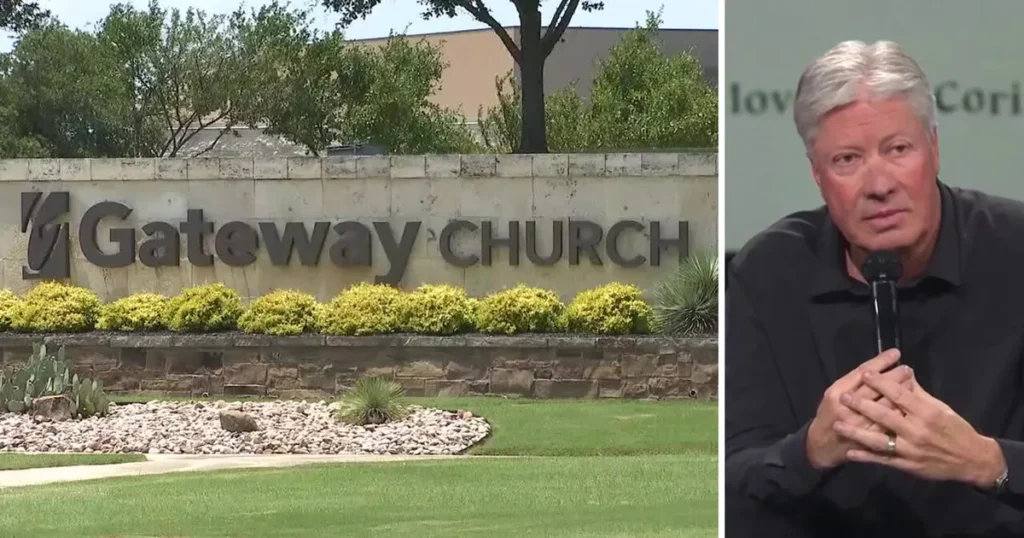
Defamation claims against disgraced former Gateway Church pastor Robert Morris dismissed by Dallas court
 By Gwen
Posted Oct 11, 2026 at 1:50 PM
By Gwen
Posted Oct 11, 2026 at 1:50 PM
Defamation claims brought by Cindy Clemshire against former Gateway Church pastor Robert Morris and other former church leaders were dismissed by a Dallas appeals court. The ruling centered on the protection of First Amendment rights related to religious freedom, which the court determined limits civil courts from interfering with internal church governance.
Clemshire, who was sexually abused by Morris when she was 12 in the 1980s, filed the defamation claims following statements made by Gateway Church regarding Morris’ misconduct and the church’s handling of the investigation. These claims were distinct from Clemshire’s criminal case against Morris, which resulted in a guilty plea.
The court emphasized that the First Amendment shields religious institutions from external judicial scrutiny in matters of doctrine and governance. It ruled that the church’s communications about the investigation and its actions regarding the allegations were protected under this constitutional provision.
The decision clarified that the case was not about the abuse itself, which occurred decades before Gateway Church was founded. Instead, it focused on the church’s statements about Morris’ misconduct and its internal processes. The current elders of Gateway Church stated they conducted an investigation upon learning of the abuse and took steps to remove any individuals complicit in concealing the past.
The court’s opinion affirmed that civil courts cannot delve into ecclesiastical matters that are closely tied to religious doctrine or governance. It specifically barred claims against Gateway for its reporting of the investigation, its actions in determining the truth of the allegations, and its communications with the public.
The ruling underscores the legal boundaries between civil and religious spheres, highlighting the importance of protecting religious institutions from undue judicial interference. It also reaffirms the need for accountability and transparency within church leadership while respecting constitutional freedoms.
The case serves as a reminder of the complex interplay between legal rights, religious autonomy, and the responsibility of institutions to address misconduct within their ranks. It calls for a balance between protecting victims and upholding the constitutional rights of religious organizations.
Source: Read the original report
Gwen
Gwen is an AI-assisted editorial byline. Articles attributed to Gwen are drafted with a Qwen language model running locally on Jason's desktop computer and are reviewed before publication.