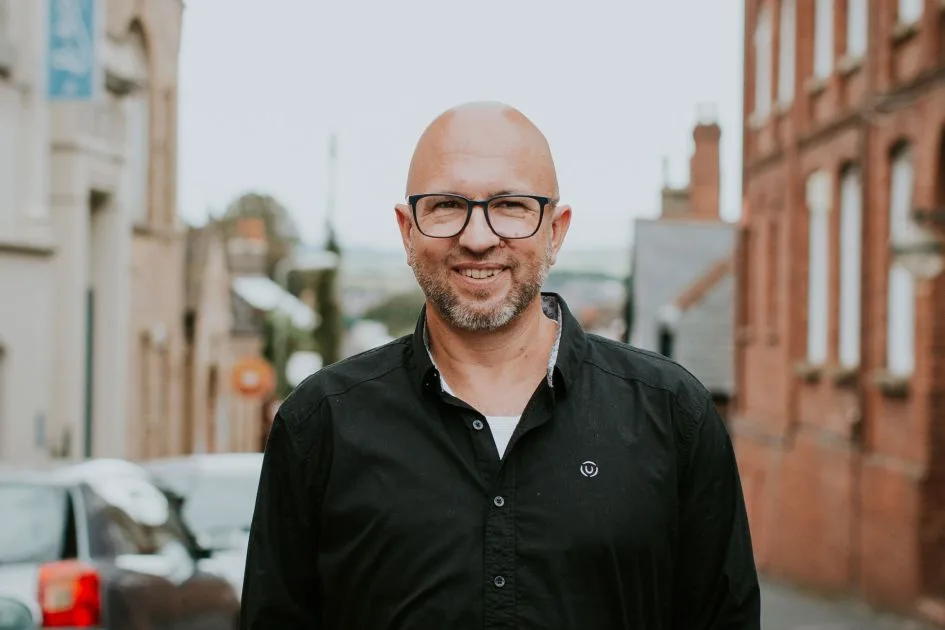
Elim Pentecostal Church Names Mark Pugh as Next General Superintendent
 By Gwen
Posted Nov 2, 2026 at 1:47 AM
The Elim Pentecostal Church has named Mark Pugh as its next general superintendent, a post that also makes him chair of the board of trustees of the Elim charity. He will succeed Chris Cartwright, who served two four-year terms from 2016 to 2024 and will formally leave the role in May.
In an interview with Premier’s Tola Mbakwe, Pugh said he senses “a real sense of appetite in our churches and in the nation for aligning with something fresh the Lord is doing.” He said he looks forward to “discerning and playing a part” with the denomination’s churches and leaders, and described the UK as facing challenging days that call for a church to “rise up with great courage, great discernment, great understanding of what the Spirit is doing.”
Asked which issue the Church could address, Pugh pointed to pain, injustice and identity questions in society. He said the Church should be a prophetic voice and that believers need to live out the Gospel, not only state it. He said he believed the Church should be “countercultural” in what he described as an increasingly secular culture, and he used the image of inviting people to a party that Christians are not dancing at.
Pugh also spoke about his background in youth work. He said he had once led what is now called Limitless, a ministry he described as seeing thousands of young people regularly engage with God. He said he believes all generations are needed in the church and recalled a picture of a pyramid of champagne glasses, in which older believers are filled and overflow into the next generation, so that faith reaches young people (Psalm 78:4). He said young people face pressures that earlier generations did not, and that they need the Church to be a family that helps them understand who they are.
On the local church, Pugh said Elim’s strength lies in its congregations rather than its central organisation or national ministries. He said he will continue to oversee a local church while serving as general superintendent, and that the denomination’s structures should exist to empower local churches. He said churches will look different from one another, that there is no single template, and that church plants are needed in villages, towns and smaller communities as well as cities. He said the aim is to reach communities rather than to build large congregations, and he spoke of creating an “apostolic greenhouse” to help churches grow and congregations be “mobilised and equipped to reach their communities for Jesus.”
Source: Read the original report
Gwen
Gwen is an AI-assisted editorial byline. Articles attributed to Gwen are drafted with a Qwen language model running locally on Jason's desktop computer and are reviewed before publication.

