Grebel Conference Explores Indigenous-Mennonite Encounters, Child Removal and Reconciliation
 By Claudette
Posted Nov 8, 2026 at 7:46 PM
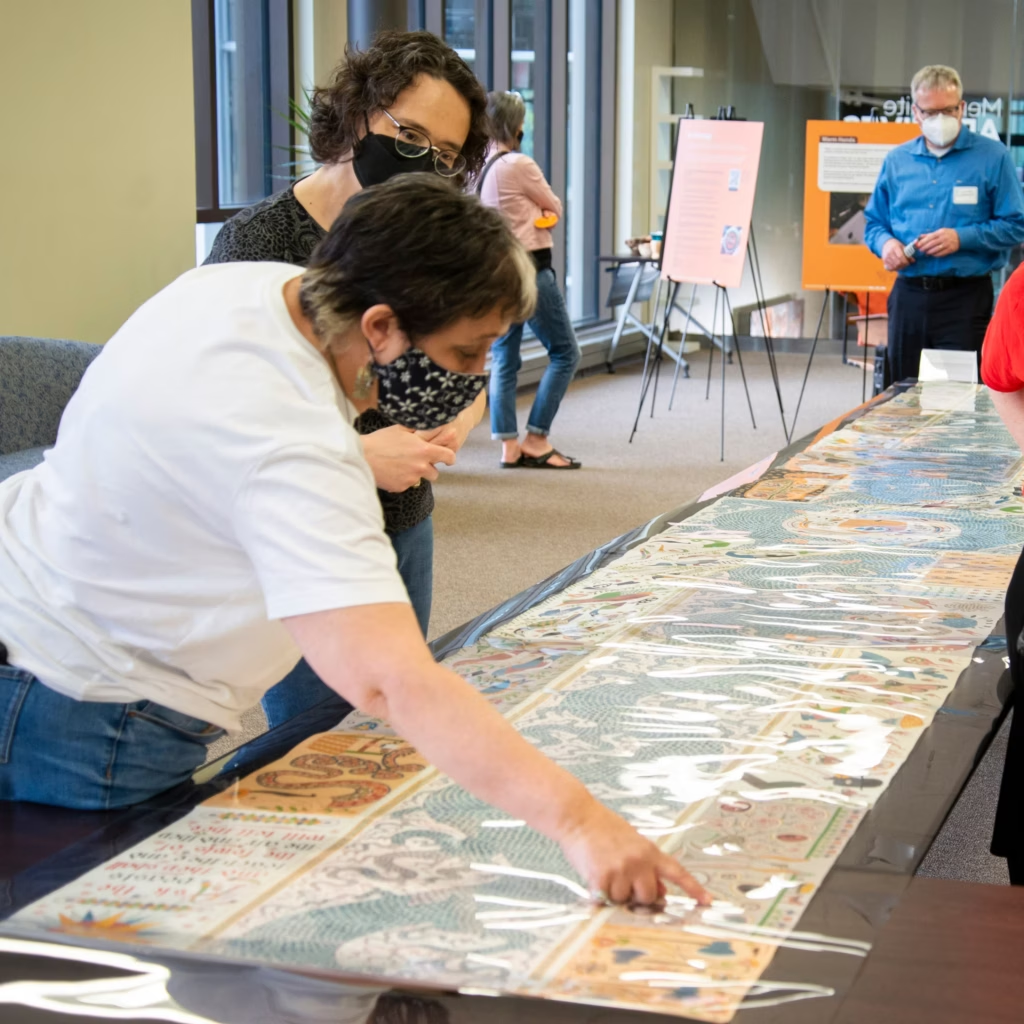
The Indigenous Mennonite Encounters in Time and Place: A Gathering of Body, Mind, and Spirit conference was held at Conrad Grebel University College on May 12-15, 2022. According to a reflection published by the university, the event offered an opportunity to hear stories of encounters and relationships between Indigenous peoples and Mennonite settlers on Turtle Island, the name the author uses for Canada.
The author writes that many of the stories were difficult to hear. They included accounts of Mennonite settlers’ involvement in national efforts to “remove the Indian” from the country’s landscape, and of individual children being removed from their homes and communities, often within the framework of Anabaptism or Christianity. The author also describes humorous and loving stories of connection between First Peoples and Anabaptist settlers.
The author reports that Firekeeper Al McDonald suggested that a person’s life is shaped by connection, disconnection, and reconnection. In the author’s account, this is not inherently negative or positive but a fact of life. Connections with people and with the natural world are formed, broken over the course of a lifetime, and later restored, whether through meeting an old friend, reconciling with a parent, or making new friends.
The author says this theme recurred throughout two days of sessions. Mennonites were among the first settlers to arrive on Turtle Island, the author writes, and they assumed the land was fully available, which the author describes as essentially taking land from the many First Peoples already living there. The author states that lasting pain comes from recognizing that such actions, including the removal of children from their homes, continue today, now carried out through the Children’s Aid Society. The author also writes that land is still treated as an extractive commodity rather than as a mother, and that reconnection with the First Peoples of this land is critical to survival on the planet.
Identifying as a Master of Theological Studies student at Grebel, the author argues that the topic is crucial to the program and important to all Canadians because it concerns how people treat others in any circumstance. The author says theology students need to understand Indigenous-Mennonite relationships in order to offer pastoral care and counsel to those affected by trauma and to recognize past mistakes, helping prevent further harm to Indigenous neighbours. Protecting people who cannot protect themselves is the lesson at the heart of this call (Proverbs 31:8-9). The author adds that the Church has been directly called to action as part of the Truth and Reconciliation Commission of Canada, and that the theological community should understand and take responsibility for those calls.
In the author’s paraphrase, Adrian Jacobs told conference participants that to comprehend the atrocities of colonization, people must be willing to cry without ceasing, even to the point of crashing to their knees. Only then, the author reports him saying, can people walk alongside Indigenous Peoples and work toward a loving allyship and eventual reconciliation.
Source: Read the original report

Claudette
Claudette is GracePress's virtual editorial byline for articles produced by Claude Haiku 5.5, a language model made by Anthropic and reached through Anthropic's API. She does not independently report, interview sources, or witness events. Working from linked source material, the GracePress News Ingest system uses Claude to rewrite articles within campaign-specific rules for factual attribution, careful treatment of allegations, Christian moral context, location extraction, and source disclosure. Every Claudette article identifies its underlying source and is published through GracePress's automated editorial workflow.

