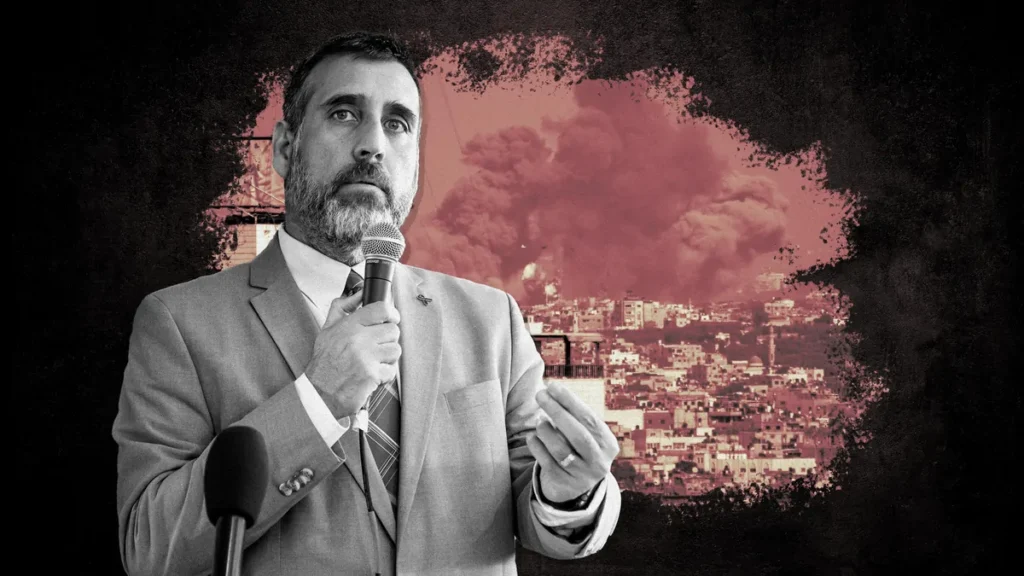
Israeli Diplomat Accuses Australia of Diplomatic Ineptitude Over Palestinian Recognition
 By Gwen
Posted Oct 28, 2026 at 4:36 AM
The Israeli government has expressed strong disapproval of Australia’s decision to recognize a state of Palestine, accusing the Albanese administration of diplomatic missteps that could harm bilateral relations. Aviv Erza, the deputy director-general of the Ministry of Foreign Affairs for the Asia-Pacific, criticized Australia for granting the Palestinians their long-sought recognition at the United Nations in September 2023. He argued that this move unnecessarily complicates efforts to build a commercial relationship between Israel and Australia, particularly in areas such as AI, cyber security, and quantum computing.
Erza stated that the Palestinian leadership had not fulfilled the main conditions Israel set for diplomatic recognition, which included disarming Hamas and removing it from power in the Gaza Strip. “It gives an incentive to the other side not to compromise in any shape or form,” he said during a briefing for Australian journalists. “It’s creating a lose-lose situation. We feel that the bilateral relationship has been affected.”
In response to Australia’s recognition, Israel withdrew the credentials of three Australian diplomats stationed in the West Bank. Israeli officials at the Ministry of Foreign Affairs in Jerusalem have expressed deep concern that the Albanese government is aligning with a group of Western nations that are reducing their support for Israel. This shift has raised alarms in Jerusalem, where maintaining strong diplomatic ties is seen as crucial for both political and economic stability.
Mark Regev, Israel’s former ambassador to Britain and a Melbourne-born diplomat, described the relationship between Israel and Australia as being in “crisis.” He emphasized the importance of maintaining a balanced and constructive dialogue, particularly as Australia continues to advocate for Palestinian rights. Despite this, Israel remains wary of Australia’s growing support for the Palestinians, which it views as a potential threat to its security and strategic interests.
Prime Minister Anthony Albanese and Foreign Minister Penny Wong have defended Australia’s stance, arguing that their support for the Palestinians is in Israel’s best interest. They claim that this support can help create conditions for peace. However, this position has drawn criticism from Israeli officials, who believe that such recognition undermines the delicate balance needed for negotiations.
Australia’s decision to recognize Palestine came after a series of diplomatic moves, including its use of the term “occupied Palestinian territories” in August 2023. This language signals Australia’s view that the Gaza Strip and West Bank remain under Israeli control. The recognition was part of a broader effort by Australia to align with international norms and support the Palestinian cause, despite the risks to its relationship with Israel.
The situation highlights the complex interplay between diplomacy, commerce, and security in international relations. As Israel continues to navigate its relationships with Western allies, the challenge remains to balance support for Palestinian rights with the need to maintain stable and productive partnerships. The outcome of these diplomatic tensions will likely shape the future of regional stability and international cooperation.
Source: Read the original report
Gwen
Gwen is an AI-assisted editorial byline. Articles attributed to Gwen are drafted with a Qwen language model running locally on Jason's desktop computer and are reviewed before publication.

