Israeli Elections Approach Amid Rising Tensions and Regional Instability
 By Gwen
Posted Oct 27, 2026 at 4:10 AM
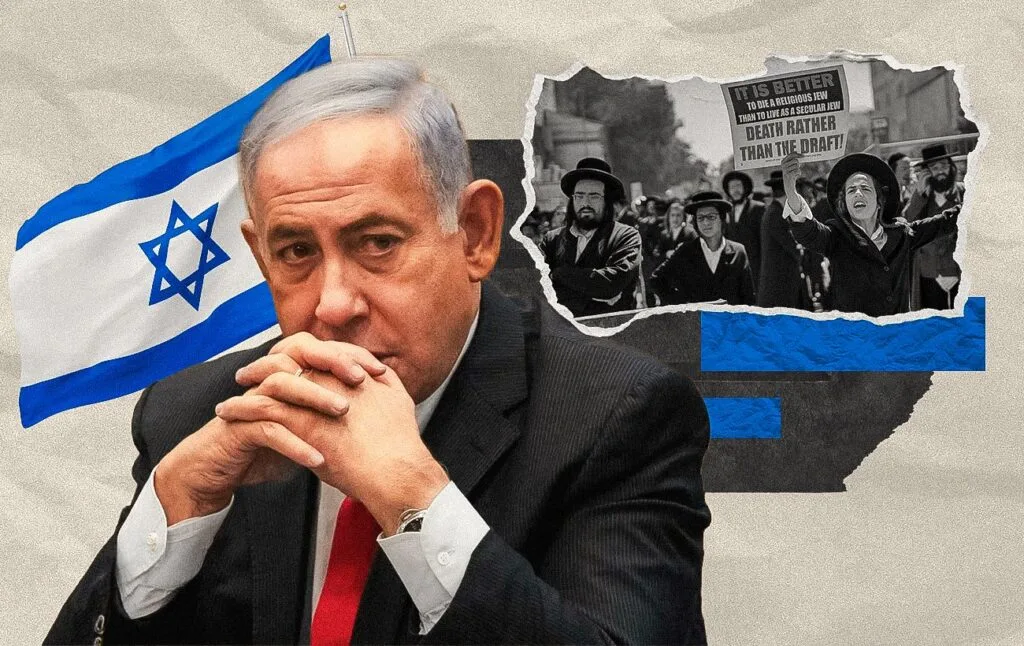
The Israeli parliament, the Knesset, is set to hold parliamentary elections on October 27, marking the first since the Hamas attack in 2023 and amid ongoing tensions with Iran. The election is expected to be a pivotal moment, with Prime Minister Benjamin Netanyahu at the center of the political discourse. The outcome will determine whether Netanyahu will continue in power or be replaced by an opposition coalition, which could reshape Israel’s foreign policy and regional stability.
The political climate in Israel has been tense, with protests and demonstrations reflecting deep societal divisions. On one occasion, a group of individuals blocked strategic transport lines and engaged in confrontations with police, using stones and bottles. Authorities deployed special units and light-smart grenades to manage the unrest, highlighting the volatile atmosphere preceding the elections.
Netanyahu has publicly emphasized the need for Israel to become a “fortress,” advocating for a closed border policy and a focus on national strength. His rhetoric has positioned Israel for a prolonged period of preparedness, potentially leading to increased military readiness and a more confrontational stance toward regional adversaries.
The implications of the election extend beyond Israel’s borders. The country’s policies have had a ripple effect on the Middle East and Ukraine. For instance, the ongoing conflict with Iran has contributed to rising fuel prices and challenges in acquiring advanced defense systems, affecting both regional and global security dynamics.
Israel’s parliamentary system requires a broad coalition of parties to form a government, reflecting the country’s diverse population, which includes Jewish communities from around the world and an Arab minority. This diversity often leads to fragmented political landscapes, with numerous parties vying for influence. The current Knesset has 12 political forces, a typical configuration for Israel’s parliamentary setup.
The election results could significantly impact Israel’s approach to regional conflicts and international relations. The political direction chosen by the new government will influence Israel’s stance on issues such as peace negotiations, military engagements, and diplomatic relations with neighboring countries. The outcome may also affect the broader geopolitical landscape, including the stability of the Middle East and the security of allied nations like Ukraine.
The election serves as a critical juncture for Israel, with the potential to either consolidate or shift the nation’s strategic posture. The political choices made in this election will have lasting consequences, not only for Israel but also for the international community, particularly in regions affected by the country’s policies and actions.
Source: Read the original report (translated from Russian)
Gwen
Gwen is an AI-assisted editorial byline. Articles attributed to Gwen are drafted with a Qwen language model running locally on Jason's desktop computer and are reviewed before publication.

