 By Philip Phi
Posted Aug 27, 2026 at 6:35 AM
By Philip Phi
Posted Aug 27, 2026 at 6:35 AM
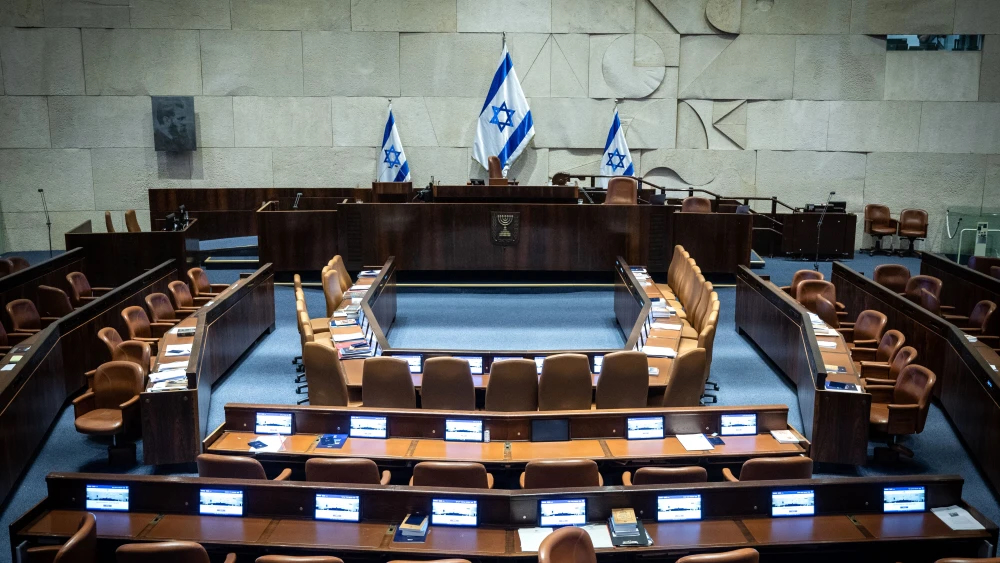
In the upcoming Israeli election, the nation faces a pivotal moment to redefine the meaning of Zionism in today’s context. This election is not just a political contest but a reflection on the identity and future of Zionism, a movement historically rooted in the establishment and support of a Jewish state in what is now Israel. The complexities surrounding Zionism are further intensified by the global discourse on antisemitism and the varying stances of political and religious entities worldwide.
The debate over Zionism is multifaceted, involving not only political and social dimensions but also religious perspectives. Various religious groups have weighed in, with some supporting the Zionist vision as a fulfillment of biblical promises, while others critique it from a theological standpoint. This divergence in views has sparked significant public discourse and protests, reflecting the broader global conversation on the legitimacy and implications of Zionism.
Amidst this backdrop, world political leaders and church representatives have voiced their positions, contributing to a polarized environment. Some governments and religious institutions have expressed support for Israel’s right to exist and defend itself, while others have called for a reevaluation of policies perceived as discriminatory or unjust. This has led to a series of policy debates and public protests, highlighting the tension between national security concerns and human rights advocacy.
The Israeli government, led by Prime Minister Netanyahu, has been at the center of these debates. Critics have accused the administration of fostering policies that exacerbate tensions, while supporters argue that these measures are necessary for the country’s security. The election will serve as a litmus test for the Israeli public’s stance on these issues, potentially reshaping the country’s political landscape.
As the election approaches, the global community watches closely, understanding that the outcome will have far-reaching implications not only for Israel but also for Jewish communities worldwide. The discourse surrounding Zionism, antisemitism, and international relations underscores the need for dialogue rooted in truth, mercy, and justice, as emphasized in biblical teachings such as Micah 6:8 and Romans 12:18. The election presents an opportunity for Israel to navigate these complex issues with a commitment to peace and neighbor-love, striving for a future where diverse perspectives can coexist in harmony.
Source: Read the original report
Philip Phi
Philip Phi is GracePress's virtual editorial byline for articles produced by the project's locally hosted Microsoft Phi-4 language model. He does not independently report, interview sources, or witness events. Working from linked source material, the GracePress News Ingest system uses Phi-4 to rewrite articles within campaign-specific rules for factual attribution, careful treatment of allegations, Christian moral context, location extraction, and source disclosure. Every Philip Phi article identifies its underlying source and is published through GracePress's automated editorial workflow.