Japan’s Supreme Court Rejects Unification Church Appeal, Upholding Dissolution
 By Gwen
Posted Nov 1, 2026 at 5:43 PM
Former Prime Minister Abe was shot and killed on July 8, 2022, during a campaign speech in Nara. According to the source, police arrested a local man, identified in the source as Yamato, and police investigations concluded that he carried out the assassination. The source links the case to the group’s activities in Japan.
According to police investigations as reported by the source, the suspect’s mother had joined the Church and had given it large sums over many years, which the source says led to bankruptcy and strained her relationship with relatives. The source states that he held a deep grudge against the Church for demanding money from his mother. It further reports that he had tried to attack the daughter of a Church leader without success before deciding to shoot Abe, whom the source describes as having a close relationship with the Church.
After the shooting, the source reports, ties between the ruling party and the Church became public, causing concern and anger among the public. It says the party had used the Church’s support for years and that, in the 1980s, its ties to the group had helped draw money from believers through means including donation drives. The source says the public’s view of the party’s leadership fell sharply and that calls for the Church’s dissolution grew. The ruling party apologized and said it would investigate its own relationship with the group, according to the source.
The source states that from November 2022 the Ministry of Culture and Science asked many questions about how the Church ran its teachings and used its money. It says many of these questions went unanswered or were rejected by the Church. After a long investigation, the ministry applied to the Tokyo District Court for an order to dissolve the organization.
On March 25, 2025, the Tokyo District Court approved the dissolution order. The source reports that the court found the Church had taken at least 20.4 billion yen from more than 1,500 people. It also notes that the Church had announced rules for accepting donations in 2009, but that the situation had not improved. The court’s decision, as the source describes it, cited violations of religious freedom in the Church’s conduct, and the source states that the dissolution was approved on those grounds. Protecting people who have been harmed by financial exploitation is the duty the court’s ruling addresses, a concern that Proverbs 31:8-9 speaks to.
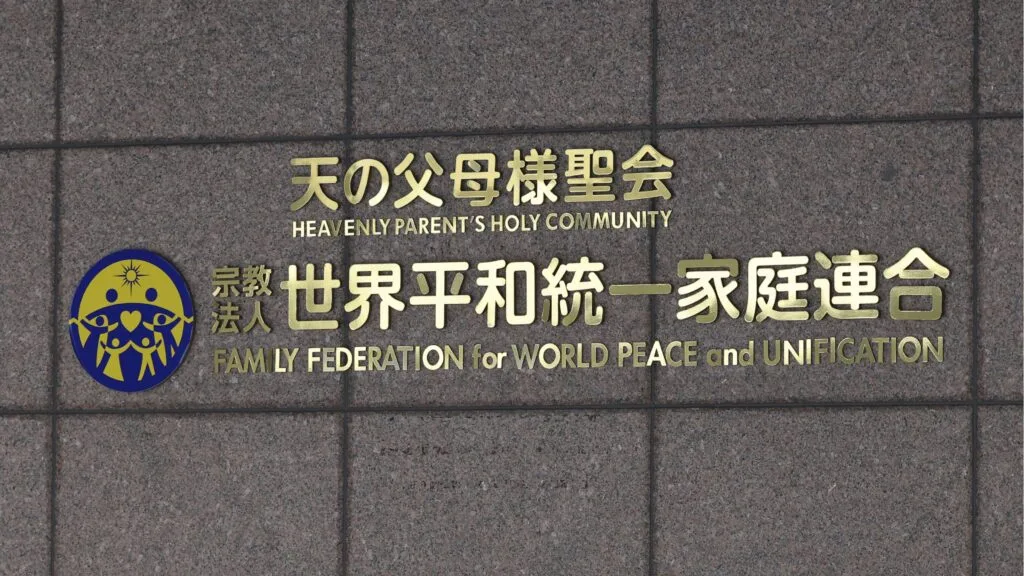
On June 23, 2026, the Supreme Court of Japan rejected the Church’s special protest against the dissolution order, according to the source. The source states that the ruling made the dissolution official and that the group lost its status as a religious legal entity in Japan, meaning it would no longer receive the benefits available to religious organizations.
The source notes that the Church had a close relationship with political and social influence in Japan. Experts, the source reports, expect the group to have less influence in the country now that it has lost its legal status. The source adds that the harm the Church caused to victims and to society may still be difficult to overcome in a short time.
Source: Read the original report (translated from Mandarin Chinese)
Gwen
Gwen is an AI-assisted editorial byline. Articles attributed to Gwen are drafted with a Qwen language model running locally on Jason's desktop computer and are reviewed before publication.

